Transport & Getting Around
North Macedonia presents a unique transportation landscape that blends modern airport facilities with traditional inter-city connections and challenging seasonal driving conditions. For visitors arriving at Skopje International Airport, understanding the available transport options, local regulations, and practical considerations can mean the difference between a smooth journey and costly mistakes. Whether you’re planning a direct transfer to Lake Ohrid, renting a vehicle to explore mountain regions, or simply navigating currency exchange and mobile connectivity at the airport, each decision impacts your travel experience.
This comprehensive resource addresses the practical realities of getting around North Macedonia, from the moment you land until you return your rental car. We’ll examine airport services that often confuse first-time visitors, break down the true costs of different transport methods, clarify vehicle rental requirements for international travellers, and explain the essential safety measures for winter mountain driving. These aren’t theoretical considerations—they’re the specific challenges that travellers encounter when moving through this Balkan nation.
Navigating Skopje International Airport: Essential Services and Common Pitfalls
Skopje International Airport serves as the primary gateway for most international visitors, yet its relatively compact size can be deceptive. The layout appears straightforward, but critical services like currency exchange, SIM card vendors, and ground transport options are distributed in ways that catch unprepared travellers off guard.
Currency Exchange and ATM Selection
Not all ATMs at the airport offer equivalent exchange rates. The machines positioned immediately after baggage claim typically charge conversion fees that are substantially higher than those located near the departure area. Some travellers report differences of up to 8-12% between the best and worst rates available within the same terminal. The key is understanding that dynamic currency conversion—when the ATM offers to charge you in your home currency rather than Macedonian denars—almost always results in unfavorable rates. Always select to be charged in the local currency and let your home bank handle the conversion.
Mobile Connectivity: Prepaid SIM Cards
Airport kiosks selling prepaid SIM cards frequently charge premium prices compared to city centre shops. However, the convenience factor depends on your specific itinerary. If you’re heading directly to remote mountain areas or Lake Ohrid, paying a modest premium for immediate connectivity may prove worthwhile. The three major providers offer similar coverage, but data package structures vary significantly. Tourist-oriented packages often include unnecessary features while limiting the data capacity most visitors actually need.
Check-In Procedures and Airline-Specific Requirements
Budget carriers operating from Skopje enforce strict baggage policies that differ from legacy airlines. The most common mistake involves misunderstanding carry-on dimensions and weight limits, which can trigger unexpected fees at the gate. These charges are typically two to three times higher than pre-booking excess baggage online. For airlines with non-assigned seating, the check-in timing directly affects your boarding position and overhead bin access.
Ground Transport: Choosing Between Buses, Taxis, and Private Transfers
The 17-kilometer journey from Skopje Airport to the city centre presents three primary options, each with distinct advantages depending on your arrival time, luggage volume, and budget constraints. Unlike major European hubs where public transport dominates, North Macedonia’s capital relies on a mixed system where no single option suits all situations.
Public buses operate on a limited schedule and require familiarity with local routes, making them practical primarily for experienced travellers with minimal luggage arriving during daylight hours. Official airport taxis use meters, but rates vary based on company rather than distance alone—some approved operators charge nearly double what others do for identical routes. Private transfers booked in advance eliminate price uncertainty and language barriers, though they cost more than shared transport options.
For travellers heading directly to Ohrid or other destinations outside Skopje, the calculation changes entirely. The time and cost of entering the capital, finding accommodation, and departing the next day often exceeds direct transfer services or rental car collection at the airport. This is particularly relevant for short trips where maximizing time at Lake Ohrid outweighs the minor savings of overnight stays in Skopje.
Car Rental in North Macedonia: Requirements, Hidden Costs, and Smart Choices
Renting a vehicle in North Macedonia involves navigating several requirements that differ from Western European norms, plus avoiding fee structures that aren’t immediately apparent during online booking.
Driving Licence Requirements and Documentation
UK driving licences, along with most EU licences, are legally recognized for short-term visitors, but the practical situation is more nuanced. While an International Driving Permit (IDP) isn’t strictly mandatory, some local rental companies and police officers expect to see one, particularly outside major cities. The IDP serves as an official translation rather than a separate licence. Visitors from countries with non-Latin alphabet licences face stricter requirements. Additionally, most rental companies require licences to have been held for a minimum period—typically at least one year, sometimes two.
International Chains Versus Local Operators
The Hertz-versus-local-rental decision hinges on priorities beyond daily rates. International chains typically charge 30-40% more but offer standardized vehicles, English-language support, and streamlined damage claim procedures. Local operators provide better value and often include insurance components that international companies charge as expensive extras. However, vehicle age and maintenance standards vary dramatically between local providers. The critical factor isn’t the brand but the specific contract terms: excess amounts, included mileage, fuel policy, and what constitutes acceptable wear versus chargeable damage.
The Pre-Rental Inspection: Your £500 Insurance Policy
The most expensive mistake in car rental occurs before you leave the parking lot: failing to document existing damage thoroughly. Rental companies occasionally attribute pre-existing scratches, dents, or windscreen chips to the most recent renter. Without photographic evidence—ideally timestamped and showing the vehicle from multiple angles—you may face charges exceeding £500 for minor damage you didn’t cause. This inspection should include the undercarriage, all glass surfaces, wheels, and interior upholstery. Seemingly trivial marks become expensive disputes without proper documentation.
Insurance Extras: Essential Protection Versus Profit Centers
Rental desks aggressively promote supplementary insurance products, but distinguishing necessary coverage from redundant policies requires understanding what your credit card or travel insurance already provides. Collision Damage Waiver (CDW) with reduced excess is typically essential unless you have comprehensive coverage elsewhere. Theft protection matters in North Macedonia, particularly for vehicles parked overnight in remote areas. Conversely, personal accident insurance usually duplicates your travel insurance, and roadside assistance packages often cover services already provided by your automobile association.
Return Procedures and Surprise Charges
Returning rental cars at Skopje Airport requires attention to fuel policy terms and timing. The “full-to-full” policy is straightforward but depends on petrol stations being accessible before the airport—the nearest station is several kilometers away. Missing the fuel clause can trigger refueling charges at rates double or triple normal pump prices. Similarly, returning vehicles outside staffed hours creates vulnerability: without a company representative to confirm the vehicle’s condition, you’re dependent on their subsequent inspection. Minor damage discovered later becomes difficult to contest.
Winter Mountain Driving: Snow Chains, Safety Protocols, and Route Selection
North Macedonia’s mountainous terrain becomes significantly more challenging during winter months, when snow and ice transform scenic routes into hazardous passages requiring specific equipment and techniques.
Snow Chain Requirements and Regulations
Local regulations mandate snow chains on certain mountain roads when conditions warrant, typically indicated by roadside signage. Unlike some Alpine countries with blanket requirements, North Macedonia applies rules based on current conditions rather than calendar dates. However, this flexibility creates uncertainty: you may encounter chain-required sections unexpectedly. Rental cars don’t always include chains, and companies that provide them often charge rental fees plus replacement costs if lost or damaged. Understanding whether chains are included in your rental agreement prevents roadside emergencies.
Installing Snow Chains: The Practical Reality
Most drivers attempting to fit snow chains for the first time underestimate the difficulty, particularly in cold, wet conditions on a mountain roadside. The process involves lying partially under the vehicle, threading chain links through wheel wells, and achieving proper tension—all while traffic may be queuing behind you. Practice installation in daylight and dry conditions before departure. The first attempt typically takes 30-45 minutes; experienced users manage it in under ten minutes. YouTube tutorials provide visual guidance, but physical practice with your specific chain model is invaluable.
Snow Chains Versus Winter Tyres
For short mountain trips, the chain-versus-winter-tyre decision depends on your route and duration. Winter tyres provide superior handling on cold, dry roads and light snow, but chains are essential for deep snow, ice, and steep gradients. Most rental vehicles in North Macedonia don’t come with winter tyres as standard, and upgrading costs more than chain rental for trips under a week. However, winter tyres allow normal-speed driving on clear mountain roads where chains would need to be removed and refitted as conditions change.
Braking Techniques and Common Mistakes
The most frequent cause of winter accidents on mountain roads is improper braking technique on descents. Drivers accustomed to flat terrain instinctively brake harder when they feel the vehicle sliding, which exacerbates loss of control on ice. The correct approach involves using engine braking by selecting lower gears before descents, maintaining steady throttle, and applying brakes gently and intermittently. Anti-lock braking systems (ABS) help, but they can’t overcome the physics of ice. Speed reduction before curves—not during them—is critical.
Route Selection After Heavy Snowfall
Certain mountain passes become effectively impassable after heavy snowfall, even with chains and winter tyres. Local knowledge indicates that routes connecting remote villages or serving primarily agricultural areas receive lower priority for snow clearing than main tourism corridors. The road to Popova Šapka ski resort, for example, receives regular maintenance, while alternative mountain routes may remain uncleared for days. Real-time condition information is limited, so conservative route selection—choosing main roads even when longer—reduces risk significantly during winter months.
Successfully navigating North Macedonia’s transport systems requires understanding these practical realities rather than relying on assumptions based on other European destinations. Each decision point—from airport ATM selection to winter driving route choice—carries financial and safety implications that proper preparation mitigates. The resources linked throughout this guide provide detailed solutions to specific challenges, allowing you to focus on the experiences that make North Macedonia worth visiting rather than the logistics of getting around.
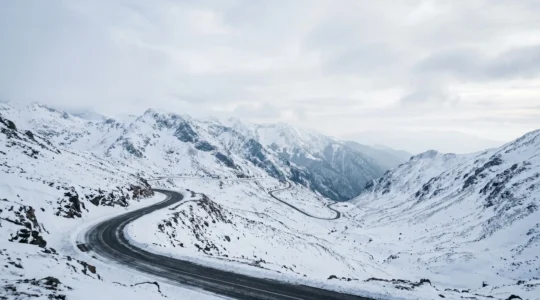
How to Drive Safely in Macedonian Mountains During Winter With Snow Chains?
Driving in Macedonia’s snowy mountains for the first time can be intimidating, especially for a UK driver accustomed to rain…
Read more
How to Rent a Car in North Macedonia Without Hidden Fees?
In summary: Choosing a reputable local agency often provides better all-inclusive value and transparency than major international brands. Your single…
Read more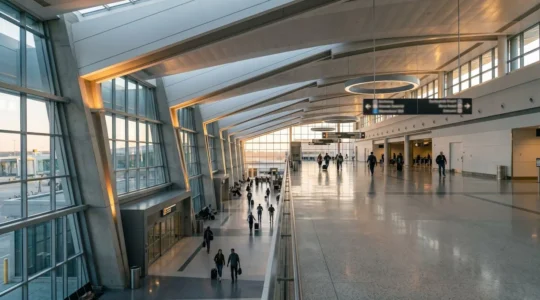
A First-Timer’s Guide to Skopje Airport: Arrive and Depart Without Stress
Landing at Skopje Airport without a clear plan can lead to unexpected costs and delays, turning your arrival into a…
Read more