Nature & Landscapes
North Macedonia remains one of Europe’s most underestimated natural destinations, where ancient lakes meet alpine peaks and rare wildlife roams protected forests. Tucked between the Mediterranean and continental climate zones, this small Balkan nation shelters an extraordinary concentration of ecosystems—from UNESCO-recognized freshwater reserves to mountain ranges hosting over 2,000 plant species. For travelers seeking authentic encounters with nature beyond Europe’s crowded hotspots, these landscapes offer both accessibility and genuine wilderness.
Understanding this natural diversity requires more than marking locations on a map. Each ecosystem here tells a story of geological time, endemic evolution, and modern conservation challenges. Whether you’re drawn to the cultural shores of millennia-old lakes, the high-altitude silence of alpine trails, or the thrill of tracking endangered predators, this guide introduces the key landscapes, species, and experiences that define North Macedonia’s natural heritage—and explains how to explore them responsibly.
Lake Ohrid: Ancient Waters and Cultural Heritage
Few lakes in the world combine the depth of geological history with the richness of living biodiversity quite like Lake Ohrid. Shared between North Macedonia and Albania, this body of water has persisted for an estimated 1 to 3 million years, making it one of Europe’s oldest continuously existing lakes. Think of it as a natural time capsule: while glaciers scraped clean most European lakes during ice ages, Ohrid’s sheltered position allowed life to evolve undisturbed, producing over 200 endemic species found nowhere else on Earth.
Why Ohrid Matters Beyond Its Age
The lake’s UNESCO World Heritage status reflects both natural and cultural significance. Beneath its surface, the Ohrid trout (Salmo letnica) represents a flagship endemic species, highly sensitive to disturbance. On its shores, Byzantine churches cling to cliffs—like the iconic Church of St. John at Kaneo—creating landscapes where nature and human history intertwine. This dual value means protection measures address both ecosystem health and heritage preservation.
Water clarity here can exceed 20 meters in depth, a rarity for lakes this size. This transparency results from oligotrophic conditions—low nutrient levels that keep algae growth minimal. However, this same sensitivity makes the lake vulnerable: even small increases in pollution or physical disturbance can trigger cascading ecological effects.
Visiting Responsibly: Practical Choices
Choosing how you interact with the lake directly impacts its preservation. Eco-friendly boat tours, typically electric or solar-powered, minimize noise and water pollution compared to traditional motorboats. When swimming, avoid areas marked for trout spawning, particularly near rocky shores and stream inlets. Simple actions—like refraining from feeding fish or disturbing lakebed sediments—help maintain the delicate balance that allows endemic species to thrive.
For sunset photography or contemplation, elevated viewpoints like Kaneo offer stunning perspectives without ecological impact. The optimal window falls in late spring and early autumn, when lower visitor numbers and golden light conditions combine for the best experience.
National Parks: Diverse Landscapes for Every Explorer
North Macedonia’s three main national parks—Mavrovo, Pelister, and Galicica—alongside protected areas like Shar Planina, offer distinctly different landscapes shaped by elevation, geology, and human history. Understanding these differences helps match your hiking style, fitness level, and interests to the right destination.
Choosing Your Park: A Landscape Spectrum
Mavrovo, the largest, combines dense beech and fir forests with the country’s highest peak (Mount Korab at 2,764 meters). Its forest density creates ideal conditions for wildlife observation, though trails can be challenging to navigate without proper preparation. Pelister distinguishes itself through ancient Molika pine groves—some trees exceeding 500 years—and two glacial lakes (Pelister Eyes) that reward moderate hikes with alpine scenery.
Galicica occupies the ridge between Lake Ohrid and Lake Prespa, offering unique ridge-walking where you can glimpse both lakes simultaneously. Its botanical diversity includes Balkan endemic plants found exclusively in this microcosm. Shar Planina, straddling the Kosovo border, claims the title of most biodiverse, with flora ranging from Mediterranean to alpine zones within compact elevation changes.
Practical Considerations: Permits, Seasons, and Safety
Currently, most parks do not require advance entry permits for day hiking, though this may change as conservation frameworks evolve. The critical variable is seasonal accessibility. High-altitude trails, including sections of the High Scardus Trail across Shar Planina, typically remain snow-covered until late May or early June. Alpine flower blooms peak in June and July, while autumn (September-October) offers stable weather and vivid forest colors without summer crowds.
Certain regulations apply universally across protected areas:
- Campfires are strictly prohibited during dry seasons (typically July-September) due to wildfire risk
- Mushroom and plant foraging without permits can result in substantial fines
- Trail markers may be inconsistent; topographic maps or GPS devices are essential for multi-day treks
For beginners, Pelister offers the most accessible entry point with well-marked trails and established infrastructure. Mavrovo suits intermediate hikers comfortable with forest navigation, while Shar Planina’s remote hut-to-hut routes demand experience and self-sufficiency.
The Balkan Lynx: Protecting an Elusive Icon
Fewer than 40 individuals of the Balkan lynx (Lynx lynx balcanicus) are estimated to survive in the wild, making it one of Europe’s most critically endangered large carnivores. This subspecies of the Eurasian lynx clings to existence primarily in the mountainous border regions between North Macedonia and Albania, with Mavrovo National Park serving as core habitat.
Understanding the “Ghost of the Forest”
The nickname captures both the lynx’s elusive nature and its precarious status. These solitary cats hunt primarily at dawn and dusk, preying on roe deer and chamois. Their spotted coats and tufted ears make them unmistakable—if you’re fortunate enough to see one. Realistic spotting chances for casual hikers hover near zero; even dedicated researchers using camera traps may wait months for a single image.
Winter snow offers the best opportunity for indirect evidence. Fresh tracks—resembling oversized housecat prints but without claw marks—indicate recent activity. Conservation teams use winter tracking sessions to estimate population movements and territory sizes, as snow effectively becomes a natural recording medium for wildlife behavior.
Supporting Conservation Through Responsible Travel
Your behavior in lynx habitat directly influences survival odds for this population. Key principles include:
- Maintain distance and silence if you encounter wildlife; never pursue or attempt to photograph animals at close range
- Stay on designated trails during spring (April-May) when females den with kittens
- Report sightings or tracks to park authorities, contributing valuable data to monitoring programs
Some conservation organizations offer opportunities for tourists to join monitoring expeditions in Mavrovo, typically involving camera trap checks and track surveys. These programs provide dual benefits: funding for conservation work and educational experiences for participants. However, they require physical fitness and tolerance for long hours in challenging terrain with no wildlife guarantees.
Shar Planina: Alpine Biodiversity Hotspot
The Shar Planina (Šar Mountains) massif exemplifies how geographical position creates biological richness. Straddling North Macedonia’s border with Kosovo, these peaks intercept moisture-laden air masses, creating microclimates that support an astonishing over 2,000 vascular plant species—roughly one-third of Europe’s entire alpine flora compressed into 1,600 square kilometers.
This diversity stems from the range’s role as a glacial refugium: while ice sheets covered much of Europe, Shar Planina’s valleys sheltered species that later recolonized the continent. Today, this heritage manifests in endemic flowers, relict plant communities, and a vertical zonation that transitions from oak forests through beech and spruce to alpine meadows within just a few hours’ hike.
Trekking Options: From Day Hikes to Hut Circuits
The classic 3-day hut-to-hut trek links mountain refuges (katuns) across the central ridge, offering immersion in high-altitude environments without the weight of camping gear. These stone huts, traditionally used by shepherds, now accommodate hikers during summer months, though amenities remain basic. The route demands navigational skills and weather awareness—afternoon thunderstorms are common in July and August.
For wildlife enthusiasts, Shar Planina’s remoteness increases chances of encountering chamois, wild boar, and golden eagles compared to more accessible parks. However, this same remoteness means certain trails approach the Kosovo border closely. Solo hikers should research current trail conditions and boundary demarcations, as some routes cross sensitive areas where political complexities require awareness.
Timing Your Visit: Seasonal Highlights
Alpine flower bloom reaches peak intensity in late June and early July, transforming meadows into tapestries of purple, yellow, and white. Endemic species like Shar Planina poppy (Papaver degenii) appear during this narrow window. By mid-August, flowers fade but berry-laden shrubs attract birds, and cooler temperatures make for more comfortable hiking. Autumn brings golden larch groves and the highest visibility for distant peaks, though weather stability decreases after mid-September.
Matka Canyon: Dramatic Gorges Near the Capital
Just 15 kilometers southwest of Skopje, Matka Canyon offers immediate access to dramatic natural scenery, making it North Macedonia’s most visited natural site. The Treska River has carved a narrow gorge through limestone, creating near-vertical cliffs that rise over 300 meters and shelter several caves, including Vrelo—one of the world’s deepest known underwater cave systems.
Geological Drama: Why These Cliffs Stand Vertical
The canyon’s distinctive profile results from the erosive power of water meeting resistant limestone layers. Unlike softer rock that would erode into sloped valleys, the dense Triassic limestone here fractures along vertical planes, maintaining steep walls even as the river cuts deeper. This geology also creates the extensive cave systems, where millennia of water dissolution hollowed out subterranean passages.
Vrelo Cave’s flooded chambers have been explored to depths exceeding 200 meters, though its full extent remains unknown—making definitive “deepest” claims premature. For visitors, the accessible entry chamber offers a glimpse into this underworld without requiring diving expertise.
Choosing Your Experience: Active vs. Contemplative
The central decision at Matka involves how you engage with the canyon. Kayaking provides intimate contact with the water and access to cliff bases, allowing you to appreciate the scale and texture of the rock face. The silence of paddle strokes also enhances wildlife observation—herons, kingfishers, and occasionally otters inhabit quieter sections.
Motorboat tours cover more distance, reaching the monastery of St. Andrew and Vrelo Cave efficiently, but the engine noise and crowds diminish the immersive quality. For a balanced approach, consider hiking the cliff-top trail to the monastery, then returning by boat—combining physical engagement with logistical convenience.
Avoiding the Crowds: Timing Strategies
Weekend visitor numbers spike dramatically, particularly on Sundays when Skopje residents seek nearby nature escapes. Arriving before 10:00 AM or visiting on weekdays dramatically improves the experience. Afternoon light illuminates the canyon walls beautifully but coincides with peak crowds. Early morning offers calm water, better wildlife activity, and the canyon’s most contemplative atmosphere.
Forest Ecosystems: From Beech to Pine
North Macedonia’s forests tell stories in tree rings and species composition. Mavrovo’s old-growth beech and fir forests represent some of Europe’s last extensive stands of minimally disturbed temperate forest—analogous to how North American visitors might view Pacific Northwest old-growth. These aren’t park-like groves but dense, complex ecosystems where fallen giants decompose into nurse logs and canopy layers filter light into green-tinted shadow.
Ancient Trees and Endemic Species
In Mavrovo, individual beech trees can exceed 300 years, their massive trunks providing habitat for hole-nesting birds and roosting bats. The forests also shelter tertiary relict species—trees like Macedonian pine that once dominated wider ranges but now persist in fragmented populations. Recognizing these species requires attention to needle arrangement, bark texture, and cone structure.
Pelister’s Molika pine (Pinus peuce) holds particular significance. This five-needled pine thrives in high-altitude zones where harsh winters eliminate competitors. The twisted, weather-sculpted forms of ancient Molikas near the tree line create landscapes reminiscent of California’s bristlecone pine groves—living sculptures shaped by environmental extremes.
Forest Etiquette: What Not to Do
Mushroom foraging tempts many visitors, especially in autumn when boletes and chanterelles fruit abundantly. However, harvesting without permits constitutes illegal resource extraction in national parks, subject to fines. The prohibition exists not just to protect fungi but to preserve ecological relationships—many mushrooms form mycorrhizal partnerships with specific trees, invisible but essential to forest health.
For nocturnal wildlife observation, particularly for species like owls, badgers, and foxes, the golden rule is minimal disturbance. Red headlamps (or red filters on white lights) preserve your night vision while causing less alarm to wildlife. Optimal observation occurs in transitional zones where forest edges meet clearings, during the first two hours after sunset. Patience and stillness yield far better results than active searching.
Navigation in dense forests requires different skills than alpine hiking. Trail markers may be obscured by vegetation or infrequent. Before entering multi-day forest routes, ensure you carry topographic maps, understand how to use a compass for bearing confirmation, and have marked waypoints for critical junctions. The forest canopy can block GPS signals intermittently, so electronic navigation should supplement, not replace, traditional map skills.
Understanding these diverse landscapes—from ancient lake ecosystems to alpine meadows and old-growth forests—transforms a visit to North Macedonia from simple sightseeing into meaningful engagement with natural systems. Each environment presents distinct conservation challenges and opportunities for responsible exploration. The depth of experience available here rewards those who invest time in understanding not just where to go, but why these places matter and how to tread lightly within them.
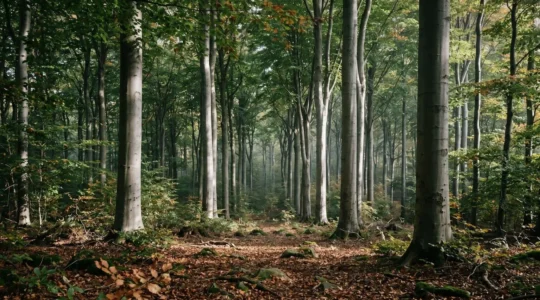
Why Is Mavrovo’s Forest Density Perfect for Wildlife Observation?
Many visitors see a dense forest and perceive it as an impenetrable wall. The secret of Mavrovo is that this…
Read more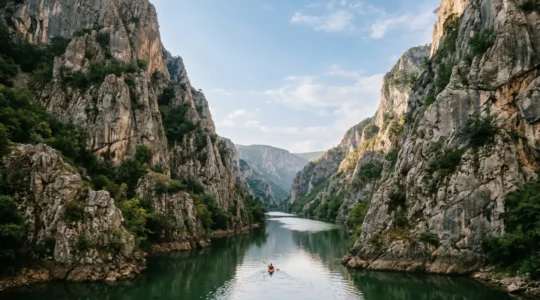
How to Plan a Perfect Half-Day Escape to Matka Canyon from Skopje?
Many visitors arrive at Matka Canyon with a checklist, rushing from one point to the next. But the true escape…
Read more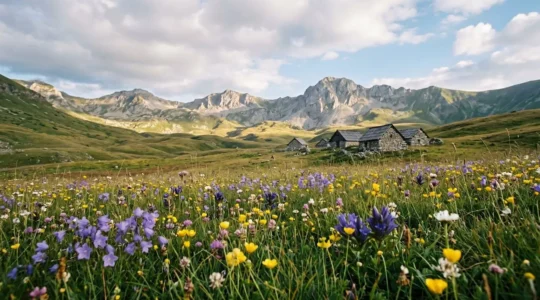
Why Is Shar Planina the Most Biodiverse National Park in North Macedonia?
Shar Planina’s extraordinary biodiversity isn’t an accident; it’s the direct result of a unique convergence of geological history and specific…
Read more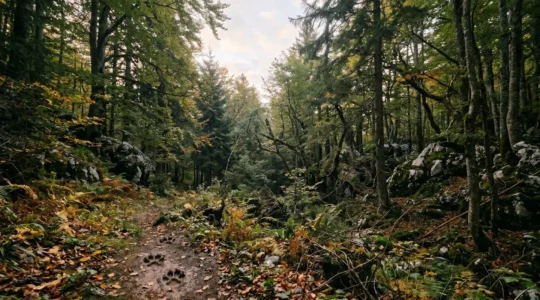
How to Support the Conservation of the Balkan Lynx While Traveling?
True support for the Balkan lynx is not about seeking a rare sighting, but about consciously minimizing the invisible pressures…
Read more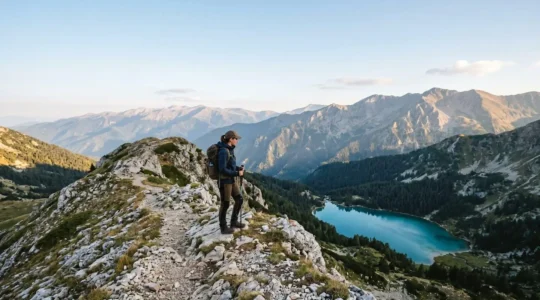
A Ranger’s Guide: Which National Park in North Macedonia Fits Your Hiking Style?
Choosing the right trail in North Macedonia is less about difficulty and more about matching the park’s “character” to your…
Read more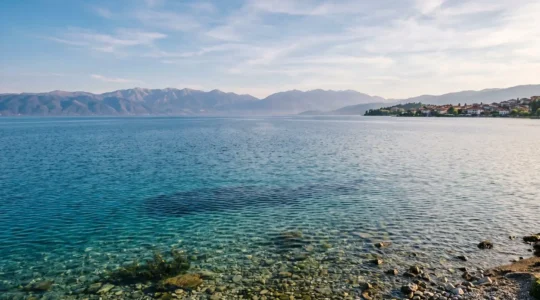
Why Is Lake Ohrid a UNESCO Site and How Can You Visit Responsibly?
Lake Ohrid’s UNESCO status isn’t just for its beauty; it recognizes the lake as a living evolutionary museum, one of…
Read more