Travel to Macedonia
North Macedonia remains one of Europe’s most underestimated destinations, quietly offering exceptional value, rich history, and stunning natural landscapes while its Balkan neighbors draw larger crowds. This small landlocked country punches far above its weight when it comes to traveler satisfaction, yet many people still confuse it with other regions or overlook it entirely when mapping out a European itinerary.
Whether you’re a budget-conscious backpacker hunting for affordable adventures, a remote worker seeking low-cost bases with reliable infrastructure, or simply curious about exploring beyond the well-trodden tourist trails, North Macedonia presents compelling answers. From navigating visa requirements and cross-border logistics to understanding why a daily budget in Skopje can genuinely stay below £30, this resource covers the foundational knowledge you need before booking your flights.
The following sections address the practical realities of traveling here: how to plan financially, which transportation routes work best, what legal obligations you’ll face, which cities deserve your time, and which common mistakes drain both your wallet and your schedule unnecessarily.
Why North Macedonia Stands Out as a Balkan Destination
When travelers plan a Balkan Peninsula tour, they typically start with Croatia’s Adriatic coast or Slovenia’s alpine charm. Yet starting your journey in North Macedonia instead offers distinct strategic advantages that extend beyond mere novelty. The country serves as an excellent geographic and financial anchor point for multi-country Balkan itineraries, with efficient connections to Albania, Greece, Kosovo, Serbia, and Bulgaria.
The cost differential proves immediately noticeable. Accommodation, meals, and local transport consistently run 30-50% cheaper than in Croatia or Montenegro, allowing you to stretch your budget significantly or upgrade your experience for the same money. A comfortable hotel room in Skopje that costs £35 might require £70-90 in Dubrovnik for comparable quality. This pricing structure makes North Macedonia particularly attractive for longer stays or travelers combining multiple Balkan countries who want to balance expensive coastal stops with affordable inland bases.
Beyond economics, the country offers authentic cultural experiences with fewer crowds. You’ll find Byzantine churches, Ottoman-era architecture, and vibrant café culture without the overwhelming tourist infrastructure that can make popular destinations feel commercialized. The local pace remains relaxed, particularly in cities like Bitola where drinking coffee on Shirok Sokak isn’t just refreshment—it’s a cherished social ritual that reflects the unhurried Balkan lifestyle.
Planning Your Budget: Realistic Daily Costs
Understanding what you’ll actually spend daily transforms vague travel dreams into bookable itineraries. North Macedonia’s reputation for affordability isn’t marketing exaggeration, but your final costs depend significantly on your choices and awareness of common pricing traps.
Daily Budget Breakdown for Different Travel Styles
A backpacker or budget-conscious traveler can comfortably operate on £25-30 daily in cities like Skopje, covering hostel accommodation (£8-12), street food and simple restaurant meals (£8-12), local transport (£2-3), and one or two attractions (£3-5). This isn’t survival mode—it includes sit-down restaurant meals at local eateries serving traditional tavče gravče or ajvar-topped grilled meats.
Mid-range travelers should budget £50-70 daily, which affords comfortable three-star hotels or quality guesthouses, diverse dining including some upscale restaurants, occasional taxis, guided tours, and museum entries. At this level, you’re experiencing the country thoroughly without constant financial calculations. Luxury seekers comparing North Macedonia versus Montenegro will find that £100-150 daily in North Macedonia secures genuinely premium experiences—boutique hotels, private drivers, and fine dining—that would require £200-300 in Montenegro’s coastal resorts.
Currency and ATM Strategy
The local currency is the Macedonian denar (MKD), typically trading around 60-65 MKD per British pound. Most ATMs offer reasonable withdrawal terms, but selecting the wrong options costs you dearly. Always choose to be charged in local currency (MKD) rather than your home currency—this avoids dynamic currency conversion, which typically adds 5-8% to your costs through unfavorable exchange rates. Banks like Stopanska Banka and Komercijalna Banka generally offer fair terms for foreign cards.
Withdraw larger amounts less frequently to minimize fixed fees, but keep security in mind. Many travelers find that withdrawing £100-150 equivalent every 4-5 days strikes the right balance between minimizing fees and not carrying excessive cash.
Getting There and Moving Around Efficiently
Transportation logistics often determine whether a destination feels accessible or frustratingly complicated. North Macedonia benefits from improving international connections and a manageable internal transport network, though knowing the shortcuts saves considerable time and money.
International Flight Options and Booking Strategy
Skopje Alexander the Great Airport serves as the primary international gateway, with Wizz Air operating the majority of low-cost connections to European cities. Flights from London Luton frequently cost less than £50 return when booked several weeks ahead, genuinely competing with UK domestic train fares to Manchester or Scotland. This pricing reflects Wizz Air’s strategy of using Skopje as a hub for Balkan expansion.
The critical booking consideration involves luggage. The base fare includes only a small personal bag—adding cabin baggage costs £12-15 each way, while checked luggage runs £20-35 depending on season and route. The “luggage mistake” that doubles your flight cost occurs when travelers book the cheapest fare assuming normal baggage allowances, then face surprise fees at the airport. Always calculate your true total cost including necessary baggage before assuming you’ve found the cheapest option.
Internal Routes: Skopje to Ohrid and Beyond
The most common internal journey connects Skopje to Lake Ohrid, roughly 170 kilometers southwest. Buses run multiple times daily, taking approximately 3-3.5 hours and costing £8-12. Booking isn’t usually necessary outside peak summer weekends, but arriving at Skopje’s main bus station 20-30 minutes early ensures you get a seat on your preferred departure.
The route mistake that adds four hours to mountain drives typically involves choosing scenic but slow secondary roads without understanding the terrain. North Macedonia’s mountainous geography means the fastest route between two points on a map often isn’t the shortest distance. GPS systems sometimes default to older roads that look direct but wind endlessly through mountain passes. For major routes like Skopje-Bitola or Skopje-Ohrid, stick to the primary highway unless you’re deliberately choosing a scenic detour and have time to spare.
Visa, Registration, and Legal Requirements
Administrative requirements cause disproportionate anxiety among travelers, yet North Macedonia’s rules prove straightforward for most visitors when you understand the specific triggers and timelines.
Visa-Free Stay Conditions
British citizens, along with most EU, US, Canadian, and Australian passport holders, can stay up to 90 days within a 180-day period without a visa. This functions similarly to the Schengen calculation: the system counts backward 180 days from any given date, and you cannot exceed 90 days of presence within that rolling window. Exceeding this limit creates complications including fines, entry bans, and potential issues when crossing borders to neighboring countries.
For longer stays or remote workers considering extended periods, the 90-day threshold also triggers potential tax residency considerations. While casual tourists needn’t worry, anyone approaching or exceeding 183 days in the country within a calendar year may face tax obligations and should consult with local accountants before assuming they can simply stay indefinitely.
Police Registration Requirement
Hotels automatically register guests with local authorities, but if you’re staying in private accommodation, you must register with police within 24 hours of arrival. This applies to Airbnb rentals, staying with friends, or any non-hotel lodging. Your host should accompany you to the local police station with your passport and accommodation details. While enforcement varies and many travelers remain unaware of this rule, non-compliance can theoretically result in fines and complications if police checks occur or when exiting the country.
The requirement exists primarily for statistical and security purposes rather than revenue generation, so police generally handle the process courteously when you proactively comply. Budget 30-60 minutes for the registration process.
Essential Cities and What Makes Them Unique
North Macedonia’s compact size means you can experience its main urban centers without exhausting travel days, yet each city offers distinct character and attractions worth understanding before allocating your time.
Skopje: The Quirky Capital
Skopje presents an architectural collision between Ottoman heritage, Yugoslav-era brutalism, and controversial neoclassical statues installed during the recent “Skopje 2014” urban project. The result feels bizarre and fascinating in equal measure—enormous bronze Alexander the Great statues dominate squares while 15th-century mosques and intact Ottoman bazaars occupy the old town across the Vardar River. A 48-hour visit covers the essential sites comfortably: the Old Bazaar, Kale Fortress, Museum of the Macedonian Struggle, and the modern pedestrian zone.
For wheelchair users and those with mobility limitations, Skopje presents mixed accessibility. Modern areas feature smooth pavements and ramps, but the Old Bazaar’s historic cobblestones prove genuinely challenging. Research specific attractions beforehand, as “wheelchair friendly” claims often mean “technically accessible with assistance” rather than “independently navigable.”
Ohrid: UNESCO Heritage and Lake Views
Lake Ohrid’s crystal waters and the medieval town perched above create North Macedonia’s most picturesque setting and its only genuine resort area. The town combines beach relaxation with significant Byzantine churches, clifftop monastics, and a charming old quarter. Summer brings crowds and inflated prices, but shoulder seasons offer the scenery without the masses. Budget at least two full days, though many travelers find a week disappears easily when swimming, hiking to viewpoints, and enjoying lakeside tavernas.
Bitola: The Elegant Second City
Bitola earned its “City of Consuls” nickname during the Ottoman period when numerous European powers maintained consulates here, leaving elegant architecture and a cosmopolitan legacy. Today it offers the most relaxed, authentically local atmosphere of the three main cities. Shirok Sokak, the pedestrian main street, embodies Balkan café culture at its finest—locals spend hours over single coffees, watching passersby and engaging in unhurried conversation.
Compared to Skopje’s frantic energy, Bitola feels noticeably more laid-back, making it ideal for travelers seeking slower-paced exploration. The nearby ancient ruins of Heraclea Lyncestis and decent Friday nightlife scene (concentrated around the center and university areas) add depth to a city that rewards two to three days rather than a rushed day trip.
Common Mistakes That Cost Time and Money
Certain avoidable errors repeatedly drain travelers’ resources and patience. Learning from others’ experiences proves considerably cheaper than learning through your own costly mistakes.
The Skopje Airport taxi scam remains frustratingly common despite increased awareness. Official taxi rates to the city center run approximately £15-18, yet unlicensed drivers approach arriving passengers offering rides for £20-25, then claiming €35-40 upon arrival citing “traffic” or “night rates.” Always use the official taxi rank outside arrivals, confirm the approximate fare before departing, and insist on the meter running. Alternatively, Skopje’s airport bus costs just £1.50 and reaches the center in 25-30 minutes.
The seemingly trivial issue of calling the country “North Macedonia” rather than “Macedonia” matters more than outsiders expect. The naming dispute with Greece concluded recently with the official name change, and locals appreciate foreigners using the correct terminology. While older residents sometimes still say “Macedonia,” international visitors using the full “North Macedonia” demonstrates respect for the complex diplomatic resolution and avoids accidentally wading into politically sensitive territory during casual conversations.
Border crossing timing to Albania and Greece occasionally catches travelers off-guard. While bureaucracy has improved significantly, summer weekends can still create 1-2 hour delays at popular crossings like Qafë Thanë (Albania) or Bogorodica (Greece). Crossing early morning on weekdays minimizes wait times. Ensure your passport has adequate validity—some travelers have been denied entry with passports having less than six months remaining validity, even though the technical requirement is only three months beyond intended stay.
Finally, parking regulations in city centers, particularly Bitola, enforce fines more strictly than the relaxed atmosphere suggests. Blue zones require payment during business hours, and enforcement officers check regularly. The fine for violations typically runs 1,000-2,000 MKD (£15-30), payable within seven days for a 50% discount. Simply paying for legitimate parking costs £1-2 for several hours and eliminates the risk entirely.
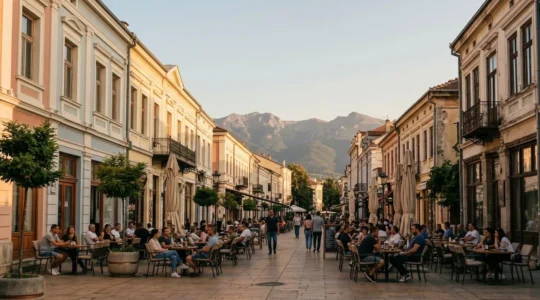
Why Should Bitola Be Your Second City Break in North Macedonia?
Bitola isn’t just North Macedonia’s second city; it’s the nation’s cultural soul, offering a state of mind, not just a…
Read more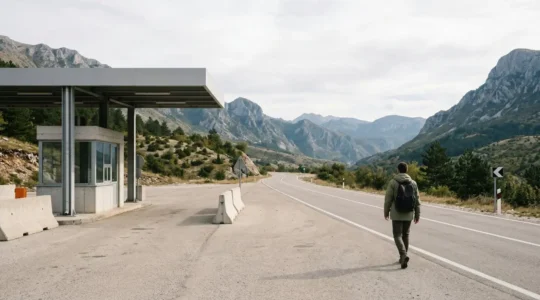
How to Stay in North Macedonia for 90 Days Without Visa Complications?
For digital nomads and long-stay travellers, North Macedonia’s visa-free policy is a gateway to the Balkans, but navigating its unwritten…
Read more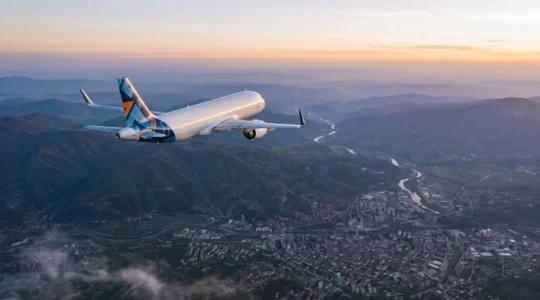
How to Reach North Macedonia from London for Less Than £50 Return?
Flying to Skopje for less than a train to Manchester isn’t a myth; it’s about mastering the ultra-low-cost travel game….
Read more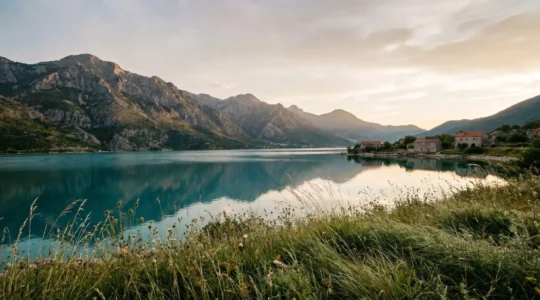
Why Start Your Balkan Peninsula Tour in North Macedonia Instead of Croatia?
The typical Balkan itinerary is a crowded, expensive coastal sprint; the smart itinerary begins with a strategic “value banking” start…
Read more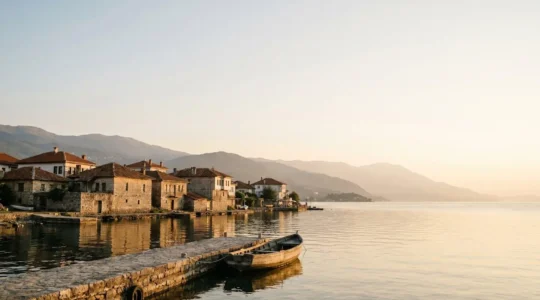
How to Plan a 7-Day North Macedonia Itinerary for Under £600?
In summary: Unlock a daily budget of under £30 in Skopje by mastering local eateries and free activities, making your…
Read more