A private room for the price of a dorm bed is genuinely possible in North Macedonia, but not by following the usual tourist advice.
- Success lies in leveraging local family-run guesthouses and mastering shoulder-season timing to find hidden value.
- Prioritising accommodation with a kitchen is a non-negotiable strategy that can slash your daily food expenses by more than half.
Recommendation: Stop chasing the absolute lowest price, which often leads to poor safety, and start hunting for the highest value by vetting hosts smartly and booking directly.
The eternal backpacker’s dilemma: you want to travel for as long as possible, which means your budget is tight. But the thought of another sleepless night in a 16-bed dorm with questionable hygiene makes you want to pack it all in. Most travel blogs will tell you the answer is simple: just book the cheapest hostel on a major platform. But what if that’s the worst advice you could take, especially in a place as uniquely affordable as North Macedonia?
Finding a comfortable bed for less than £25 a night here isn’t a matter of luck; it’s a strategic game. It goes beyond sorting by “price (low to high).” It involves understanding the local accommodation landscape, from traditional guesthouses (sobe) to the evolving world of Couchsurfing. It means knowing that the presence of a simple kitchen can be the single most powerful tool for multiplying your budget, and recognising when a price that seems too good to be true is a red flag for a compromised experience.
Forget the generic tips. This guide is about playing the budget travel game smarter. We’ll explore how to balance cost, comfort, and social style, why a private room can be as cheap as a dorm if you time it right, and how to spot the difference between a bargain and a bust. By the end, you’ll have a new framework for finding lodging that doesn’t just save you money, but actively enhances your travel experience.
This article breaks down the essential strategies you need to master. From choosing the right type of accommodation for your travel style to decoding safety signals, you’ll learn how to unlock incredible value across North Macedonia. Let’s dive in.
Summary: Comfortable & Cheap: How to Find Great Lodging in North Macedonia Under £25
- Hostels, Guesthouses or Couchsurfing: Which Budget Option Suits Your Style?
- Can You Get a Private Room for Hostel Prices in November?
- Why Is Having a Kitchen Essential for Budget Travel in Macedonia?
- The Cheap Room Mistake: When Low Prices Signal Poor Safety?
- Which Booking Platforms Offer the Best Loyalty Rewards for Budget Stays?
- Hostels, Guesthouses or Couchsurfing: Which Budget Option Suits Your Style?
- Why Your Daily Budget in Skopje Can Be Lower Than £30 Including Meals?
- How to Choose the Right Hostel for Your Social Travel Style in Macedonia?
Hostels, Guesthouses or Couchsurfing: Which Budget Option Suits Your Style?
Your first decision in North Macedonia will define your budget and your experience. The choice isn’t just about price; it’s about the kind of trip you want. Hostels are the default for many backpackers, offering a social scene and a low price point. They are the easiest way to meet fellow travellers, and you can find a dorm bed for as little as £10-15. This is your go-to for structured socialising and instant connections.
For a more authentic and quiet experience, look for guesthouses, often advertised locally as ‘Sobe’ or ‘Apartmani’. These are typically family-run establishments offering private rooms that provide a deeper sense of place and local interaction. They offer more privacy and a comfortable, home-like atmosphere, often for only slightly more than a dorm bed, especially if you’re travelling as a couple.
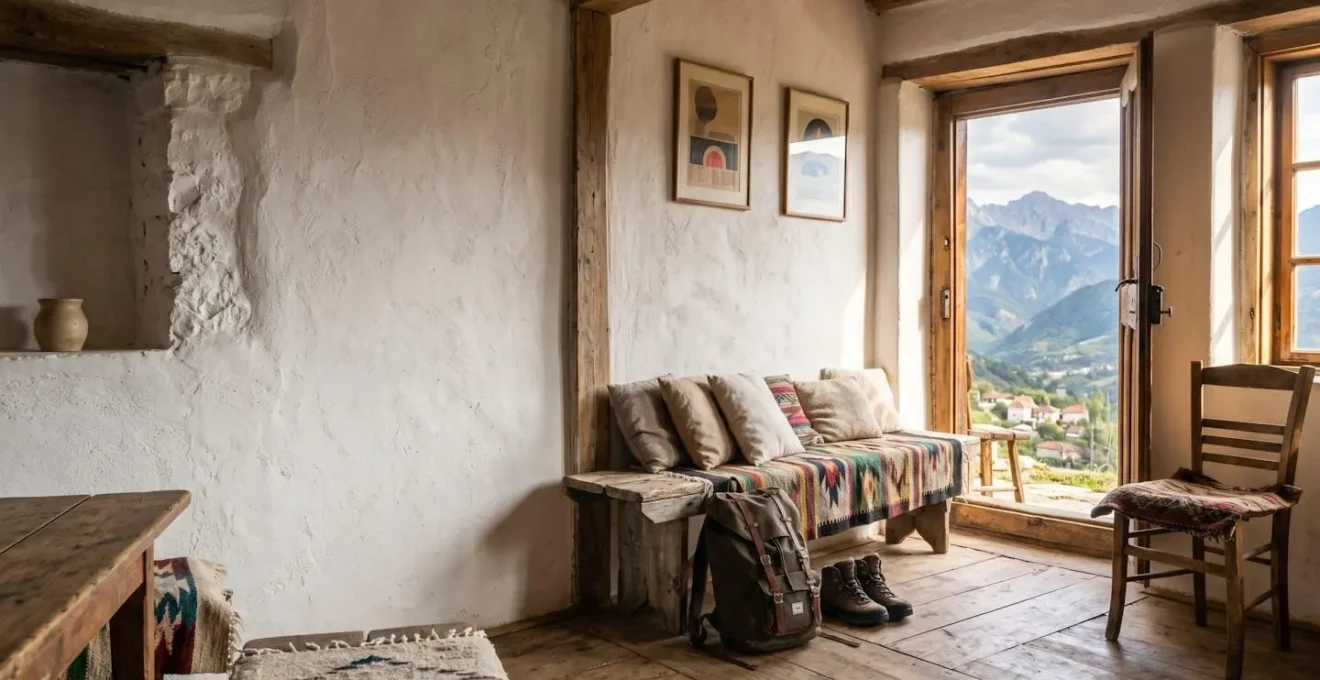
As the image of a traditional Balkan guesthouse suggests, this option provides a connection to the local architecture and culture that a generic hostel cannot match. Finally, there’s Couchsurfing. Once the ultimate free stay, it has evolved. Since 2020, it requires a paid membership, and the focus has shifted heavily towards cultural exchange and safety. To use it wisely, you must thoroughly vet hosts by reading recent references. An analysis on Couchsurfing’s new model reveals that travelers must review 5+ recent references and prioritize hosts with complete profiles to ensure a safe exchange beyond just a free bed.
Can You Get a Private Room for Hostel Prices in November?
The dream for any budget traveller is the elusive private room at a dorm bed price. In North Macedonia, this is achievable, but it requires strategic timing. November, deep in the off-season, might seem like the perfect time for bargains, but it’s a double-edged sword. While prices are low, many smaller, family-run guesthouses, especially in lakeside locations like Ohrid, may close down entirely, limiting your options. You might find a cheap room, but it could be in a deserted town with little atmosphere.
The real value lies in the shoulder seasons: May-June and September-October. During these months, you get the best of both worlds. The weather is pleasant, all attractions and businesses are open, but the peak-season crowds (and prices) have not yet arrived. A private room in a Skopje guesthouse might be €40 in August but could drop to €25-€30 in September, putting it tantalisingly close to the price of two dorm beds.
Data on winter travel in Skopje confirms this dynamic. Recent analysis shows dorm beds hovering around €10-20 while private rooms are still in the €30-50 range, making the “private for hostel price” goal difficult in deep winter. The key is not to aim for the absolute dead season, but for the sweet spot just outside peak times. Booking ahead in April or October gives you the best leverage to secure great rates before properties begin to shut down unpredictably for the winter, a common occurrence in November.
Why Is Having a Kitchen Essential for Budget Travel in Macedonia?
Of all the filters you can apply when searching for accommodation, “kitchen access” is the most powerful budget multiplier you have. It may seem like a minor convenience, but in North Macedonia, it is a game-changer. The ability to prepare even one or two simple meals a day can drastically reduce your daily expenditure, freeing up cash for experiences like canyoning or wine tasting.
Eating out in North Macedonia is already affordable compared to Western Europe, but self-catering takes savings to another level. A meal in a cheap restaurant might cost you €5-8, but you can create a delicious, authentic meal for a fraction of that. Budget travel guides estimate that with a kitchen, budget travelers can prepare meals for €5 or less. This means a full day’s worth of food could cost you less than a single restaurant dinner back home. This single amenity can easily save you €10-20 per day.
The key is to shop like a local. Head to the nearest ‘pazar’ (market) for incredibly fresh and cheap produce. Here’s a simple shopping list to get you started:
- Visit a ‘pazar’ for fresh vegetables and fruits, with many items priced at €1-3 per kilogram.
- Stock up on staples like fresh white bread (around €0.82) and local white cheese (sirenje).
- Don’t forget to buy a jar of ajvar (roasted pepper relish); it’s the national condiment and can turn a simple piece of bread into a delicious snack.
Having a kitchen isn’t just about saving money; it’s a cultural experience. It’s about navigating a local market, trying new ingredients, and sharing a meal with new friends back at the hostel. It transforms you from a tourist into a temporary resident.
The Cheap Room Mistake: When Low Prices Signal Poor Safety?
In the world of budget travel, the lowest price isn’t always the best deal. A price that seems too good to be true often is, and it can be a red flag for issues with safety, cleanliness, or location. A €5 dorm bed might sound amazing, but not if it means an insecure building in an isolated area or a complete lack of lockable storage for your valuables. True budget travel is about value, not just cost, and value includes your peace of mind.
Before you book that rock-bottom priced room, you need to become a digital detective. The first line of defense is reading reviews, but you must read them critically. Look for what isn’t being said. Does the host have very few reviews despite claiming to be open for years? Are all the reviews from the same demographic? A lack of reviews from solo female travellers can be a warning sign. Language can also be coded: “very attentive host” could mean helpful or could mean intrusive. “Quiet location” might be peaceful or dangerously isolated.
Beyond reviews, look for tangible signs of security. In photos, can you see secure lockers for your gear, as shown in the image? Does the private room have a proper lock on the door? A well-run establishment, even a cheap one, understands the importance of these features and will often highlight them. New, anonymous listings with no history and suspiciously low prices are the biggest risk. Stick to properties with an established online presence and a long track record of consistent, positive feedback.
Your 5-Point Safety Vetting Plan
- Check for completeness: Look for complete profiles with real names, clear photos, and detailed descriptions before booking.
- Read between the lines: Read all available references, paying attention to what’s NOT there or missing information.
- Identify coded language: Be wary of phrases like ‘very quiet location’ (could mean isolated) or a lack of solo female traveler reviews.
- Verify history: Prioritize properties with an established online presence (10+ years history, consistent reviews) over new, anonymous listings with rock-bottom prices.
- Look for security features: Check photos for functional security like lockers in dorms, secure room locks, and a visible host presence in guesthouses.
Which Booking Platforms Offer the Best Loyalty Rewards for Budget Stays?
In the hunt for budget lodging, many travellers gravitate towards major booking platforms, hoping to accumulate points or achieve “Genius” status for discounts. However, in the context of North Macedonia and the wider Balkans, this is often a flawed strategy. The best deals are rarely found through a platform’s loyalty program. In fact, your loyalty should be to your wallet, not a corporation.
The most effective strategy is counter-intuitive: use the big platforms for discovery, then abandon them. Find a promising hostel or guesthouse on a major site, then open a new tab and search for its name on Google Maps or Facebook. Most family-run guesthouses—the places with the most character and best value—have a direct presence online. By contacting them directly, you can often negotiate a better rate, especially for stays of three nights or more or if you offer to pay in cash. This is because the property saves on the 15-20% commission they would otherwise pay to the booking platform.
This “direct-booking gambit” is particularly effective in the shoulder seasons. As a case study on budget travel in the region notes, travelers get better value by directly contacting family-run guesthouses than by relying on loyalty programs. A host is much more likely to give you a 10% discount in May or September when they want to secure the booking. In peak-season August, they have less incentive. This direct approach not only saves you money but also ensures more of your money goes directly to the local family running the business, making your travel more sustainable.
Hostels, Guesthouses or Couchsurfing: Which Budget Option Suits Your Style?
Now that we’ve explored the nuances of timing, safety, and booking strategies, let’s revisit the fundamental choice: hostel, guesthouse, or Couchsurfing? With this new knowledge, your decision-making process should be far more sophisticated. The “best” option is not universal; it’s deeply personal and depends on your priorities for this specific trip.
If your primary goal is social connection and a structured environment, a hostel is still your best bet. But now you know to look for one with a great communal kitchen and to check its social style (more on that later). Don’t just pick the cheapest; pick the one that will deliver the experience you want for a reasonable price, which, as a reminder, should be around the £10-15 mark for a dorm bed.
If your priority is cultural immersion, comfort, and quiet, a guesthouse is the clear winner. This is where you can find that private room for under £25, especially if you travel in the shoulder season and book directly. As travel experts on North Macedonia highlight:
Hostels: Skopje and Ohrid have excellent hostels offering dorm beds for around €10-€15 per night. Guesthouses (Rooms): Often family-run, these offer a more authentic experience and are generally cheaper than hotels (€20-€40 per night).
– Macedonia Car Rental Blog, North Macedonia Budget Travel Tips
Finally, if your goal is deep cultural exchange and you’re willing to put in the vetting work, Couchsurfing remains a valid, though no longer free, option. It offers an experience no other choice can, but it carries the most responsibility for your own safety. The choice is no longer just about cost, but a calculated decision based on your desired travel experience.
Why Your Daily Budget in Skopje Can Be Lower Than £30 Including Meals?
It sounds like a stretch in modern Europe, but a daily budget of under £30 (around €35) in Skopje is not only possible but comfortable if you’re smart. The key is to combine the strategies we’ve discussed: cheap lodging, self-catering, and taking advantage of the city’s many free attractions. Backpacking experts confirm that a realistic daily budget for backpacking in Skopje ranges from €15 to €30, putting our target well within reach.
Let’s break down a perfect day in Skopje that costs well under £25. It starts with a cheap and filling breakfast. Skip the tourist cafes and head to a ‘pekara’ (bakery) for a fresh burek (a savoury pastry) and a yogurt, which will set you back about €2. For your main activity, join one of the excellent free walking tours that cover the Old Bazaar and the city’s controversial collection of statues. The tours are free, but it’s good form to tip your guide €2-3.
For the afternoon, take a local bus (around €0.60 per ride) to Matka Canyon for breathtaking scenery and hiking. You can admire the canyon for free, or opt for a budget-friendly boat tour for around €5-7. Back in the city, lunch can be a delicious ‘tavče gravče’ (baked beans) from a simple restaurant for €3-5. For dinner, your hostel kitchen comes into play. A simple pasta dish or a market-fresh salad will cost you less than €3. Your evening entertainment is also free: walk across the Stone Bridge, admire the statues in Macedonia Square, and soak up the atmosphere of the Old Bazaar as it comes alive at night. A final free activity is a walk up to the Kale Fortress for sunset views over the city.
The final tally for the day: €2 breakfast + €1.20 transport + €5 lunch + €3 dinner + €3 tip = €14.20. That’s around £12, leaving you plenty of room for a coffee, a beer, or a museum entrance fee while still staying comfortably under your £30 budget.
Key takeaways
- The Savvy Switch: Use major booking sites for discovery, but always attempt to contact guesthouses directly to negotiate a better cash rate, saving up to 20%.
- The Kitchen Multiplier: Prioritising accommodation with a kitchen is non-negotiable. It can cut your daily food costs in half and offers a richer cultural experience.
- Value Over Price: The cheapest room is rarely the best deal. Learn to spot safety red flags in reviews and listings to ensure your budget stay is also a secure one.
How to Choose the Right Hostel for Your Social Travel Style in Macedonia?
If you’ve decided a hostel is the right fit, the next step is choosing the *right* one. All hostels are not created equal, and the “best” one depends entirely on your personality and what you want from your trip. Are you looking for a wild party, quiet co-working, or a group to go hiking with? This is about understanding a hostel’s “social architecture.” The average price of a hostel with a kitchen in Macedonia is consistently low, but the experience can vary dramatically.
Look at the photos of the common areas. Is there a big, inviting communal table in the kitchen where people naturally gather? Or is the main social space a bar pushing drink specials? A cozy lounge with comfy sofas and lots of power outlets signals a space for chilling and co-working, while a hostel that heavily advertises its pub crawl is clearly a party-focused spot. Neither is inherently better, but choosing the wrong one for your style can ruin your stay.
To make this easier, you can categorise hostels based on the type of social atmosphere they cultivate. Understanding these categories helps you decode their listings and find your perfect match.
| Hostel Type | Common Area Features | Best For | Activity Style |
|---|---|---|---|
| Curated Social | Organized pub crawls, scheduled family dinners, staff-led events | First-time solo travelers wanting structured interaction | Planned group activities, guided nightlife |
| Organic Social | Large communal kitchen, cozy lounge with comfortable seating, power outlets, bar area | Independent travelers who prefer natural connections | Spontaneous meetups, shared cooking sessions |
| Adventure-Focused | Trip planning boards, gear storage, outdoor terraces | Active travelers seeking hiking/activity partners | Group day trips, outdoor excursions, shared transport |
| Cultural Exchange | Local art displays, cooking class spaces, language exchange boards | Travelers prioritizing authentic local experiences | Traditional meal preparation, cultural workshops |
By identifying what kind of traveller you are, you can use this framework, informed by an analysis of different hostel types, to select a place that feels like a home away from home. This strategic choice is the final piece of the puzzle for a perfect budget trip.
Now that you’re armed with these strategies, you’re ready to plan your trip to North Macedonia not just as a budget traveller, but as a savvy one. Start putting these principles into practice by searching for your perfect guesthouse or hostel today.