In summary:
- Booking a true agritourism experience means vetting the farm’s commitment to genuine participation, not just a list of activities.
- Authenticity is the key difference; a working farm integrates you into its daily rhythm, unlike a country hotel with a rural theme.
- Ask specific questions about daily schedules, hands-on tasks, and food sourcing before you book to avoid an experience mismatch.
- For families, confirm age-appropriate tasks and safety measures to ensure the stay is fun and educational for children.
There’s a dream many folks share: escaping the city buzz for the quiet rhythm of the countryside. You picture yourself breathing fresh air, gathering sun-warmed eggs for breakfast, and feeling the good, honest ache of a day’s work. This is the promise of agritourism. But there’s a common pitfall. Many so-called “farm stays” are little more than hotels with a pasture view, offering a petting zoo experience rather than a genuine connection to the land and the labor that sustains it.
Finding a place that lets you truly live the life of a farmer, even for a few days, requires a different approach. It’s not about scrolling through pretty pictures of barns at sunset. The real magic isn’t just in the scenery; it’s in the participation. It’s in learning the how and why behind the food on your plate and the daily schedule of the farm.
But what if the secret wasn’t in *what* activities a farm offers, but in *how* they let you be a part of their world? This guide is your map to navigating the difference. We’ll show you how to ask the right questions, what to look for, and how to find a stay that delivers an authentic, hands-on experience. We’ll cover everything from defining a real agritourism stay to ensuring the food is as fresh as promised and finding the right fit for your family or a romantic getaway.
This article will guide you through the essential steps to find and book an agritourism stay that truly immerses you in the life of a working farm. Follow along to discover how to make your rural escape a genuinely memorable and participatory adventure.
Summary: A Guide to Booking Your Authentic Farm Work Holiday
- What Makes a True Agritourism Experience Different from a Country Hotel?
- Which Farms Let You Help with Grape Harvest or Apple Picking?
- How Fresh Is the Food When You Eat What the Farm Produces?
- Is Agritourism Safe and Fun for Children Under 10?
- Dairy Farms vs Vineyards: Which Agritourism Experience Suits Couples Best?
- Which Farms Let You Help with Grape Harvest or Apple Picking?
- Ohrid Lakeside Farms vs Skopje Valley Farms: Which Offer Better Dining?
- How to Find Genuine Organic Farm Dining Experiences in North Macedonia?
What Makes a True Agritourism Experience Different from a Country Hotel?
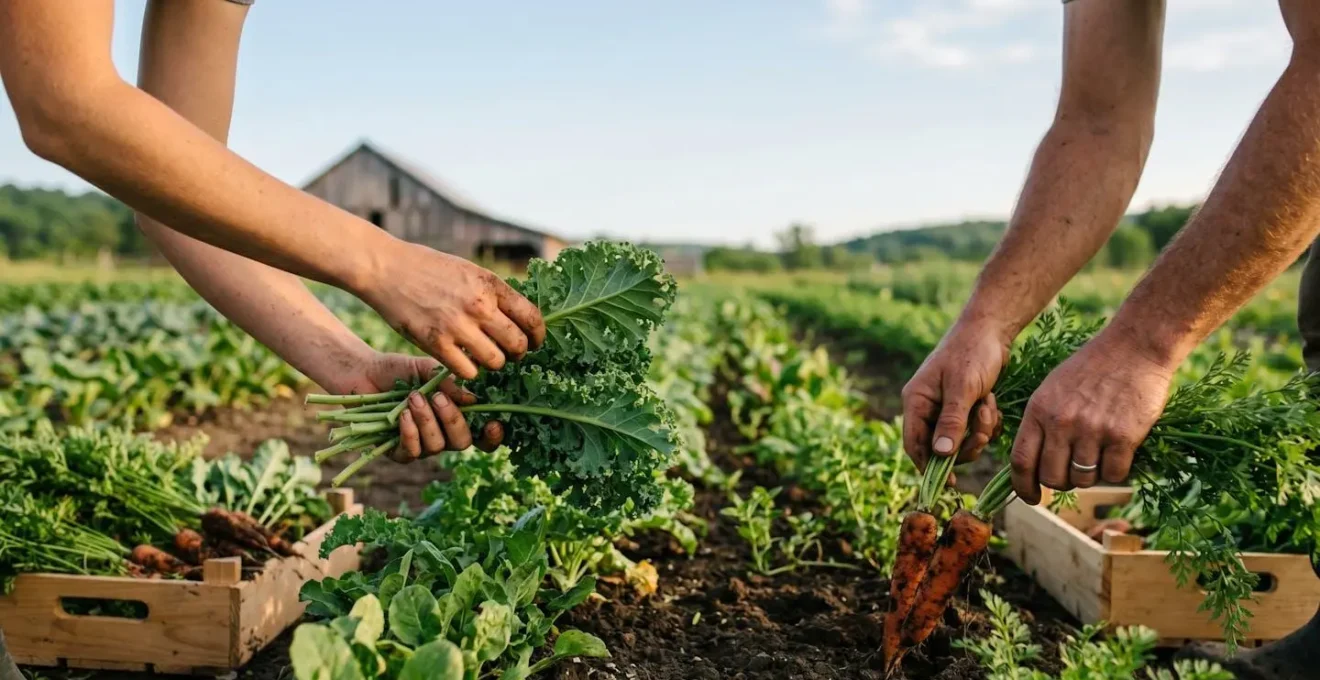
Welcome! The first thing to understand when you’re looking for a farm stay is the crucial difference between a guest and a participant. A country hotel offers you a room with a view of our life. A true agritourism farm invites you to step into it. The core of a genuine experience is not observation; it’s authentic labor. It’s about joining the rhythm of work that dictates our days, whether that means waking up for the morning milking or helping to mend a fence in the afternoon.
This isn’t a staged performance for tourists. It’s an invitation to be part of the real, functioning ecosystem of the farm. You’re not just seeing where your food comes from; you’re lending a hand in its journey. The difference is in the dirt under your fingernails and the shared meal at the end of a productive day. It’s a level of immersion a hotel can never replicate, no matter how rustic its decor.
As the Kennett family, who run a dairy farm in Vermont, found, guests crave this reality. They don’t just want to watch; they want to do. By inviting visitors to join in on milking cows and feeding calves, they provide an educational and agricultural experience that’s deeply rewarding. It’s this commitment to real work that separates us from a simple bed and breakfast.
Case Study: The Kennett Family Farm’s Commitment to Authenticity
The Kennett family dairy farm in Vermont exemplifies authentic agritourism by inviting guests to participate in actual farm operations rather than observing from a distance. Guests join the farmers during morning milking sessions and are guided in feeding calves after breakfast. This hands-on approach ensures the experience remains an agricultural and educational one, distinguishing it from themed accommodations that merely offer rural scenery. As farm operator Beth Kennett explains, this dedication to authenticity is what preserves the integrity of the experience. This insight is supported by a case study from the Cornell Small Farms Program that highlights their successful model.
This commitment to truth in advertising is something we farmers take seriously. As Beth Kennett herself puts it so well:
Authenticity has to be hugely paramount. It is crucial to how we represent agritourism in Vermont and maintain the integrity of an agricultural and educational experience.
– Beth Kennett, Cornell Small Farms Program – Agritourism Case Study
Which Farms Let You Help with Grape Harvest or Apple Picking?
So, you have a specific activity in mind, like feeling the weight of a grape cluster in your hand or the crisp snap of an apple picked fresh from the tree. That’s wonderful! But finding the right farm is about more than searching for “apple picking.” The key is participatory vetting—asking the right questions before you book to ensure the experience matches your dream. Many farms advertise seasonal activities, but the level of involvement can vary wildly.
Your first step is to communicate directly with the farmer. An email or phone call can reveal a lot. You want to understand the rhythm of work. Is the harvest a structured, all-hands-on-deck event, or is it a more casual, drop-in activity? Will you be learning the proper techniques for harvesting to ensure the health of the plant, or just picking a few for a photo? Don’t be shy about asking for details. A farmer who is passionate about sharing their craft will be happy to explain their process.
It’s also crucial to ask about supervision and training. A good host farm doesn’t just throw you into a field; they teach you. They’ll show you what to look for, how to handle the tools, and why they do things a certain way. This is especially important for tasks you’ve never done before. This guidance is what transforms a simple activity into a genuine learning experience and ensures both your safety and the quality of the harvest.
Your Pre-Booking Checklist: 5 Questions to Ask the Farmer
- What does a typical day look like for a participating guest? Ask for a detailed schedule including meal times, work periods, and free time to ensure the rhythm matches your expectations.
- Are farm activities scheduled, or can guests join spontaneously? This determines whether you’ll follow a structured program or have the flexibility to engage as you wish.
- What specific hands-on tasks will be available during my exact travel dates? Seasonal activities vary dramatically, so confirm what will actually be happening during your stay.
- What is the expected time commitment per day for farm activities? Clarify whether participation means two hours or a full day to align with your vacation goals.
- Do you provide training and supervision for inexperienced guests? This is essential for safety and for gaining real skills.
How Fresh Is the Food When You Eat What the Farm Produces?
One of the greatest joys of a farm stay is the food. The promise of a true “farm-to-table” meal—where the vegetables were in the ground that morning and the eggs were laid just hours before—is a powerful draw. But the term “farm-to-table” is used so loosely these days. How can you be sure the meal you’re eating is the real deal? The answer, once again, lies in farm-to-fork transparency.
A truly authentic farm kitchen operates in full view. The menu is dictated by the season, not by a supplier’s catalog. If you see asparagus on the menu in October, that’s a red flag. A genuine farm stay will be proud to tell you that the salad greens were picked 30 feet from the kitchen door and the berries in your dessert came from the patch you walked past earlier. Many farms do supplement their offerings with products from trusted neighbors, which is a wonderful way to support the local food community. A good host will be open about this, telling you exactly where the cheese or bread came from.
To put this in perspective, some restaurants claim to be “locally sourced” if a fraction of their menu meets the criteria. Research has shown that some establishments use the term after reaching a threshold as low as 30-40% of menu items sourced locally. On a real agritourism farm, that number should be much, much higher. The best way to know for sure is to ask. Don’t be afraid to inquire about the origins of your meal. A farmer who is proud of their produce will be delighted to show you the very garden it came from.
Is Agritourism Safe and Fun for Children Under 10?
Bringing your family to the farm is one of the most rewarding things you can do. It’s a chance for children to make a tangible connection with nature and see firsthand where their food comes from. But as a parent, your first thought is naturally about safety. Is a working farm a safe place for young kids? The answer is a resounding yes, provided you choose the right farm and set clear expectations.
Farms are places of work, with tools, animals, and machinery. A responsible host farm that welcomes families will have clear safety rules and designated areas for children. They will provide constant supervision during activities and will have designed experiences specifically for little hands. This isn’t just about avoiding hazards; it’s about creating a positive and empowering environment. With almost 30 million children visiting farms and ranches each year in the U.S. alone, there are well-established practices to ensure everyone has a great time safely.
The key is finding age-appropriate tasks. A three-year-old may not be ready to handle large animals, but they will be thrilled to collect eggs from the chicken coop or water plants with their own small watering can. A nine-year-old can take on more responsibility, like helping to harvest root vegetables or feeding smaller animals like goats and rabbits. These aren’t “make-work” projects; they are real, helpful chores that give children a sense of purpose and accomplishment. Here are some examples of activities that work well for younger children:
- Ages 3-5: Collecting eggs from supervised chicken coops and watering plants with child-sized cans. These tasks are exciting, tactile, and low-risk.
- Ages 6-9: Feeding smaller, docile animals like goats or chickens, and harvesting sturdy vegetables like potatoes or carrots. These activities are physically engaging and teach responsibility.
- Ages 6-9: Helping with simple food prep, such as washing vegetables or shelling peas, which directly connects the field to the table in a safe, supervised setting.
Dairy Farms vs Vineyards: Which Agritourism Experience Suits Couples Best?
For couples looking for a getaway that’s more meaningful than a standard resort, agritourism offers incredible options. But not all farms are created equal. The type of farm you choose will dramatically shape your experience. Two of the most popular choices, a dairy farm and a vineyard, offer wonderfully different rhythms and rewards. Understanding this experience mismatch potential is key to picking the perfect retreat for you and your partner.
A dairy farm runs on a strict, non-negotiable schedule. Cows need to be milked twice a day, every day, 365 days a year. This creates a predictable, grounding rhythm. It’s ideal for couples who want to disconnect from the chaotic outside world and sync up with a simple, purposeful routine. The work is physical and the atmosphere is often quiet and intimate. In contrast, a vineyard’s energy is highly seasonal. It moves from the quiet pruning of winter to the explosive energy of the fall harvest. This offers more variety and can be more social, with tasting rooms and events creating a lively atmosphere.
Your choice depends on what you seek as a couple. Are you active skill-builders looking to learn about animal husbandry and cheesemaking? A dairy farm might be perfect. Or are you romantic foodies who dream of sunset walks through the vines and learning the art of winemaking? Then a vineyard is likely your ideal match. Both offer the chance to work together and create lasting memories, but the “feel” of the stay will be completely different.
To help you decide, here is a comparison of what you can generally expect from each type of stay. This information, adapted from industry activity guides, shows how the daily rhythm and romantic appeal can differ.
| Characteristic | Dairy Farm Stay | Vineyard Stay |
|---|---|---|
| Daily Rhythm | Rigorous twice-daily milking schedule (early morning and evening), 365 days per year – predictable and grounding | Seasonal intensity with calm periods – variable energy from pruning season through harvest rush, then winter quiet |
| Physical Demands | Moderate to high – involves early wake-ups, repetitive tasks, animal handling requiring strength and stamina | Moderate – varies by season from light pruning to intensive harvest work; more flexible timing |
| Social Atmosphere | Intimate and quiet – typically fewer guests, direct family interaction, rural isolation promotes disconnection | Social and guest-facing – tasting rooms attract visitors, events create community atmosphere, blends work with hospitality |
| Learning Experience | Animal husbandry, dairy science, cheese-making processes – hands-on care and lifecycle understanding | Viticulture, fermentation chemistry, terroir influence – sensory education and artisanal craft appreciation |
| Romantic Appeal | Rustic authenticity, simple pleasures, shared early-morning quiet time, comfort food traditions | Scenic beauty, wine tastings, culinary pairings, sunset vineyard walks, sophisticated ambiance |
| Ideal Couple Profile | Active Skill-Builders seeking new knowledge, Quiet Recluses wanting disconnection and privacy | Romantic Foodies seeking pleasure and ambiance, Active Skill-Builders with culinary interests |
| Seasonality | Year-round consistency – operations remain largely unchanged throughout seasons | Highly seasonal – spring bud break, summer canopy management, fall harvest, winter dormancy each offer distinct experiences |
Case Study: Surfing Goat Dairy’s Immersive Couple’s Experience
At Surfing Goat Dairy in Maui, they’ve perfected the hands-on experience for couples with their “Evening Chore & Milking Tour.” Visitors don’t just watch; they actively participate in real evening chores, learn animal husbandry, and engage in the entire milking process. This model shows how a dairy farm can beautifully balance romantic appeal with genuine skill-building, creating a memorable and engaging experience for couples seeking something authentic.
Which Farms Let You Help with Grape Harvest or Apple Picking?
We’ve talked about how to find farms for specific activities like harvesting, but it’s worth digging a little deeper into what that work actually entails. The romantic image of picking fruit in the sunshine is a beautiful one, but it’s only part of the story. Authentic labor during a harvest is often demanding, repetitive, and requires a real time commitment.
Understanding this is not meant to discourage you, but to help you choose wisely. A farm that is serious about its harvest will expect you to be a functional part of the team. This could mean several hours of focused work each day. For example, many work-exchange programs on organic farms set a clear expectation for participants. It’s common to see a commitment of 4-6 hours per day of farm work in exchange for room and board. While a paid agritourism stay might be less demanding, this gives you a realistic benchmark for what “helping” can mean.
This is where your pre-booking questions become so important. Asking “What is the expected time commitment?” is vital. Are you looking for a one-hour, leisurely activity, or are you eager to dedicate half your day to being part of the harvest crew? Both are valid vacation goals, but they lead to very different farm stays. Being clear about your expectations with the farmer ensures there are no surprises and that you find the perfect balance of work and relaxation for your trip.
Ohrid Lakeside Farms vs Skopje Valley Farms: Which Offer Better Dining?
While this guide is meant to be universal, looking at a specific region can provide a fantastic template for the choices you’ll face anywhere in the world. For instance, the small but diverse country of North Macedonia offers a great case study. The choice between a lakeside farm, like those found near Lake Ohrid, and a valley farm, like those in the Skopje region, highlights a fundamental question every food-loving traveler should ask: how does geography shape the plate?
A lakeside farm’s dining experience is often defined by its proximity to water. You can expect fresh fish to be a star on the menu, prepared simply to let its quality shine. The milder microclimate near a large body of water also allows for the cultivation of delicate fruits and vegetables, like peppers, tomatoes, and figs. The cuisine might feel lighter, with Mediterranean influences. It’s an experience shaped by water, sun, and a gentle climate.
In contrast, a valley farm, often nestled in a more continental climate, tells a different story. Here, you’re more likely to find heartier fare. The focus might be on livestock, leading to rich stews and grilled meats. The fields might produce grains, potatoes, and robust root vegetables. The food is often more rustic and representative of traditional mountain or pastoral cuisine. This isn’t a question of which is “better,” but which story you want to taste. Do you crave the fresh, bright flavors of a lakeside harvest or the deep, comforting satisfaction of a valley feast?
Key takeaways
- True agritourism is about participation, not just observation. Vet farms by asking about your role in their daily work rhythm.
- Manage your expectations. Real farm work, especially during harvest, is rewarding but can be physically demanding and requires a time commitment.
- Authenticity extends to the plate. Ask where your food comes from to ensure your “farm-to-table” experience is genuine.
How to Find Genuine Organic Farm Dining Experiences in North Macedonia?
Let’s use North Macedonia again as a perfect example of a challenge travelers face everywhere: how do you find a genuinely organic farm dining experience? The word “organic” is powerful, but it can also be misleading. True organic farming is a philosophy, a deep commitment to working with nature. It’s more than just a label.
Your first clue is observation. When you arrive at the farm, look around. Do you see signs of a healthy ecosystem? Are there areas left for wildflowers to attract pollinators? Do they practice crop rotation or have compost piles? A truly organic farm feels alive and diverse. The farmer will likely be passionate about their soil health and eager to talk about their methods for controlling pests without synthetic chemicals. These conversations are far more revealing than any certificate on a wall.
Next, look at the menu. A genuinely organic, seasonal operation will have a limited, ever-changing menu. They cook what is peaking in the garden that day. If you see the same menu in June that they have in September, it’s a sign they may be relying on outside suppliers. Ask them about their practices. Questions like “How do you manage pests on your vegetables?” or “What do you do to build your soil?” will open up a conversation that reveals their true commitment. A farmer who is proud of their organic practices will love to share the details of their hard work.
While certifications from official bodies are a good starting point, many small, authentic farms don’t go through the expensive process. Their “certification” is their reputation and their transparency. By looking for these signs of a healthy farm ecosystem and engaging your host in conversation, you can find an organic dining experience that is authentic to its roots, whether you’re in the Balkans or anywhere else in the world.
Booking an authentic agritourism stay is about shifting your mindset from that of a tourist to that of a curious participant. It’s about a fair exchange: you offer your time and willingness to learn, and in return, you get an unforgettable connection to the land, the food, and the people who produce it. By doing your research and asking the right questions, you’re not just booking a vacation—you’re opening the door to a truly meaningful experience. Now, go find a farm and get ready to get your hands dirty!