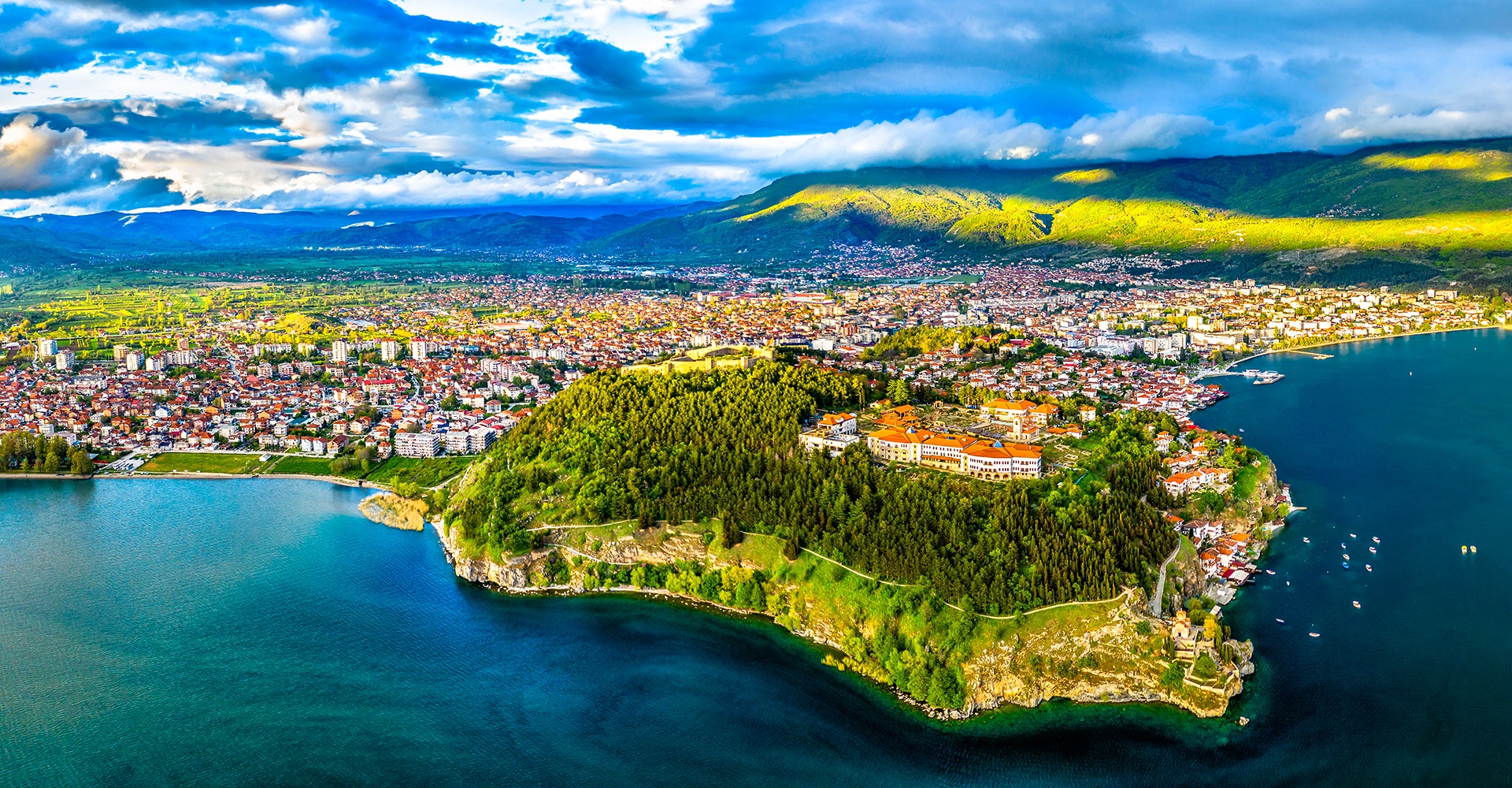
Discovering North Macedonia tourism highlights
Located in the Balkan Peninsula, this accessible European destination bridges ancient civilizations with modern culture, offering visa-free travel through sun-drenched vineyards, pristine alpine lakes, and centuries-old architectural marvels.
A historical and cultural journey
Every region reveals history, from the Skopje Old Bazaar cobblestones to the tranquil shores of UNESCO-listed Lake Ohrid, inviting exploration into a rich, multicultural tapestry.
Rich heritage and enduring local traditions

Strategic geographic positioning attracted civilizations for millennia, leaving a complex stratification of cultural influences. Roman ruins stand beside Byzantine churches, while Ottoman heritage resonates through historic town centers. This convergence creates a unique atmosphere where diverse historical eras coexist within a single archaeological landscape.
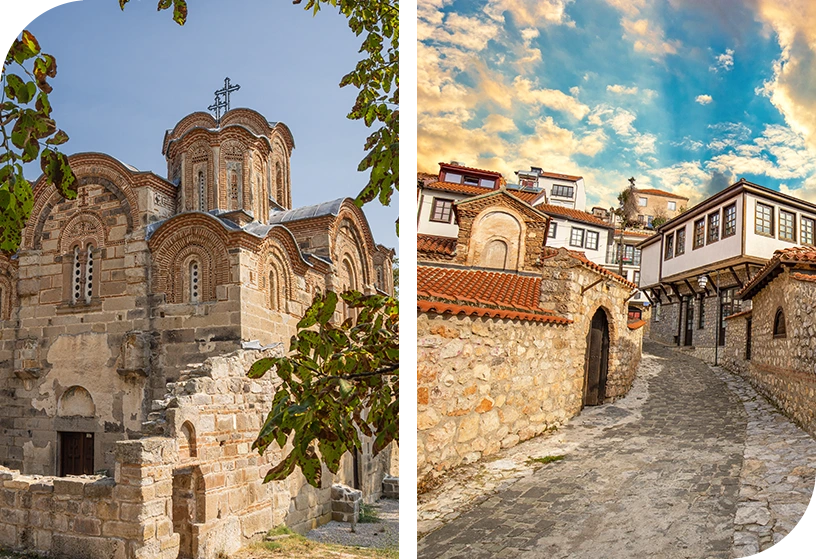
Macedonian hospitality anchors social life, where guests receive warm welcomes with traditional Turkish coffee rituals and engaging conversations about local folklore and daily life.


Ottoman heritage architecture
Slender minarets, historic stone bridges, and authentic hamams define the skylines of Skopje and Bitola.


Medieval Orthodox Frescoes
Icon painting schools and medieval monasteries guard vibrant Byzantine art and intricate iconography within their stone walls.


Traditional artisan craftsmanship
Ohrid pearl artisans and silversmiths in bazaars continue centuries of filigree jewelry making using traditional techniques.
National parks and alpine scenery
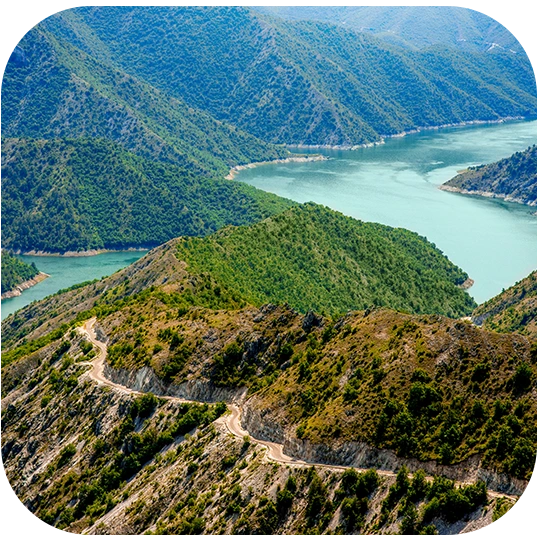
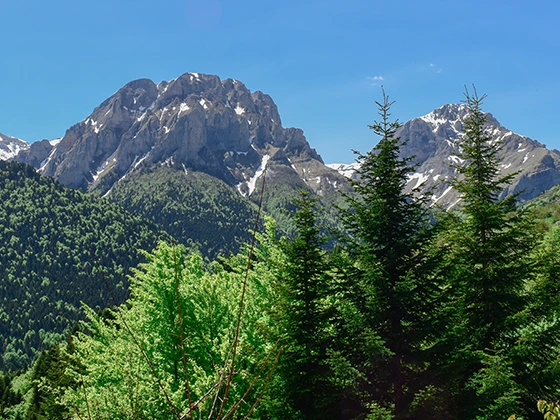
Beyond urban centers lies a dramatic landscape of soaring mountain ranges and tectonic valleys attracting eco-tourism enthusiasts. The geography shifts from Mavrovo snowy peaks to rolling, vineyard-covered hills. Biodiversity thrives in these protected areas, offering sanctuary to rare species like the endangered Balkan lynx.
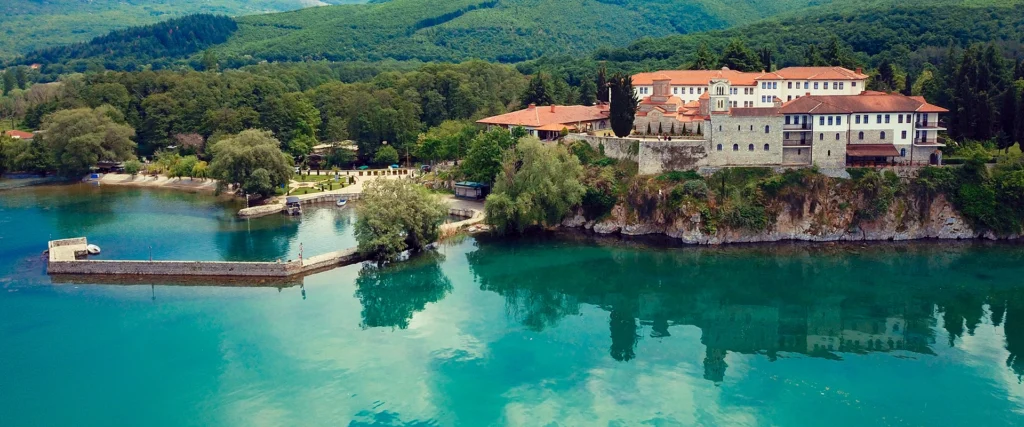
Lake Ohrid UNESCO site
Lake Ohrid, one of Europe’s deepest aquatic ecosystems, mesmerizes visitors with crystal-clear swimming beaches and unique biology, creating a serene environment that seamlessly blends natural beauty with spiritual significance through numerous lakeside churches.
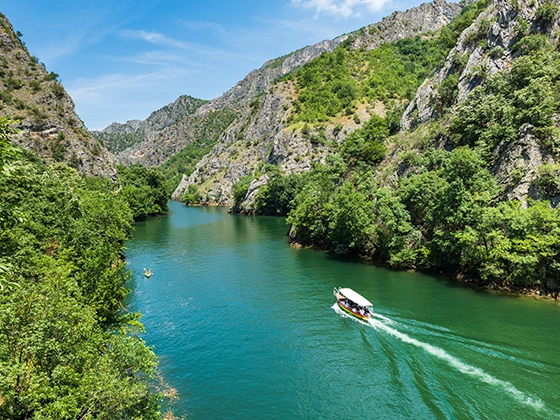
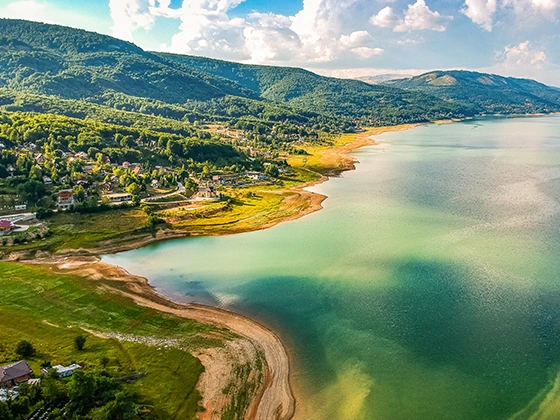
Active tourism flourishes, catering to adrenaline seekers and slow, immersive experiences. The topography supports diverse pursuits, from paragliding over high-altitude towns to spelunking in complex cave systems. Gastronomy tours play a massive role, allowing visitors to taste the land’s bounty through organic farm dining highlighting slow-cooked specialties.
Tikveš wine region tours
The Tikveš region produces robust reds like Vranec, inviting visitors to explore extensive vineyard cellars.
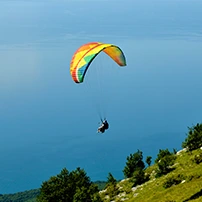
Kruševo paragliding flights
Kruševo offers world-class wind conditions for aerial sports enthusiasts seeking panoramic views.

Traditional Macedonian cuisine
Tasting traditional ajvar relish and tavče gravče beans connects travelers deeply with authentic local flavors.

Transport and travel logistics
Transportation caters to all travelers, from budget backpackers to luxury seekers. Visitors rely on modern rail links, regional buses, or car rentals to explore hidden villages and mountain monasteries. This flexibility ensures easy access from Skopje International Airport to cultural sites throughout the country.

Navigating local transit routes
Navigating the transport network is straightforward. Frequent intercity buses link towns efficiently, while taxis provide convenient urban mobility. Vehicle rental is ideal for venturing into remote areas, enabling access to lakes, national parks, and traditional villages off the main tourist trails.
Roads range from newly paved highways to narrow winding country routes requiring attentive driving. Mountainous regions become challenging during winter, so snow chains and proper planning are essential for a safe journey.
Accommodation and hotel booking
Hotels, guesthouses, and Skopje apartments serve as central hubs, offering comfortable stays and modern amenities. From budget rooms to luxury suites, options suit every preference. Online reservations are simple, ensuring flexible planning for tourists exploring Macedonia’s cultural and natural attractions.
Many properties provide personalized services like guided tours, airport transfers, and local culinary experiences for cultural immersion. Boutique hotels often feature unique designs reflecting regional architecture. Guests enjoy on-site restaurants serving local specialties, cozy lounges, and wellness spa facilities. Whether seeking a peaceful retreat by Lake Ohrid or a convenient base for city sightseeing, establishments ensure comfort and accessibility.
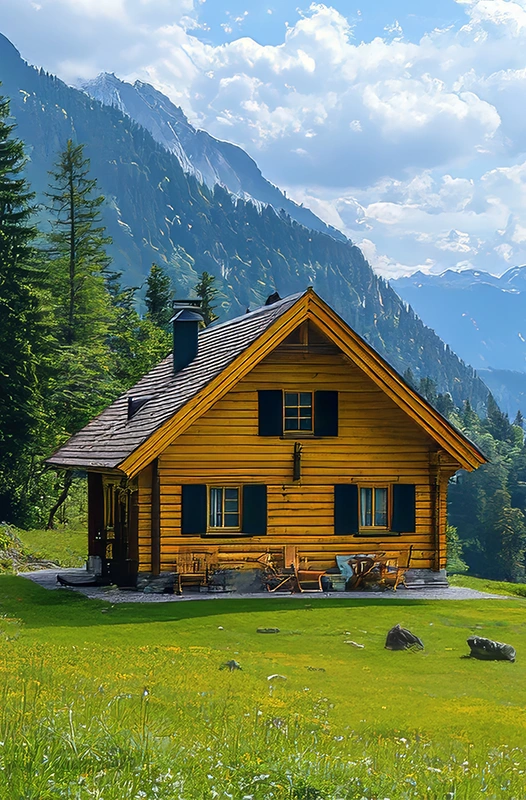
Centrally located hotels
Centrally located hotels provide easy access to major landmarks, restaurants, and shopping, making city stays convenient.
Rural eco-tourism stays
Agritourism stays offer authentic experiences, allowing guests to enjoy scenic landscapes, local cuisine, and traditional hospitality.
Budget-friendly lodging
Affordable hostels and inns give travelers economical yet comfortable options within urban centers and smaller towns.