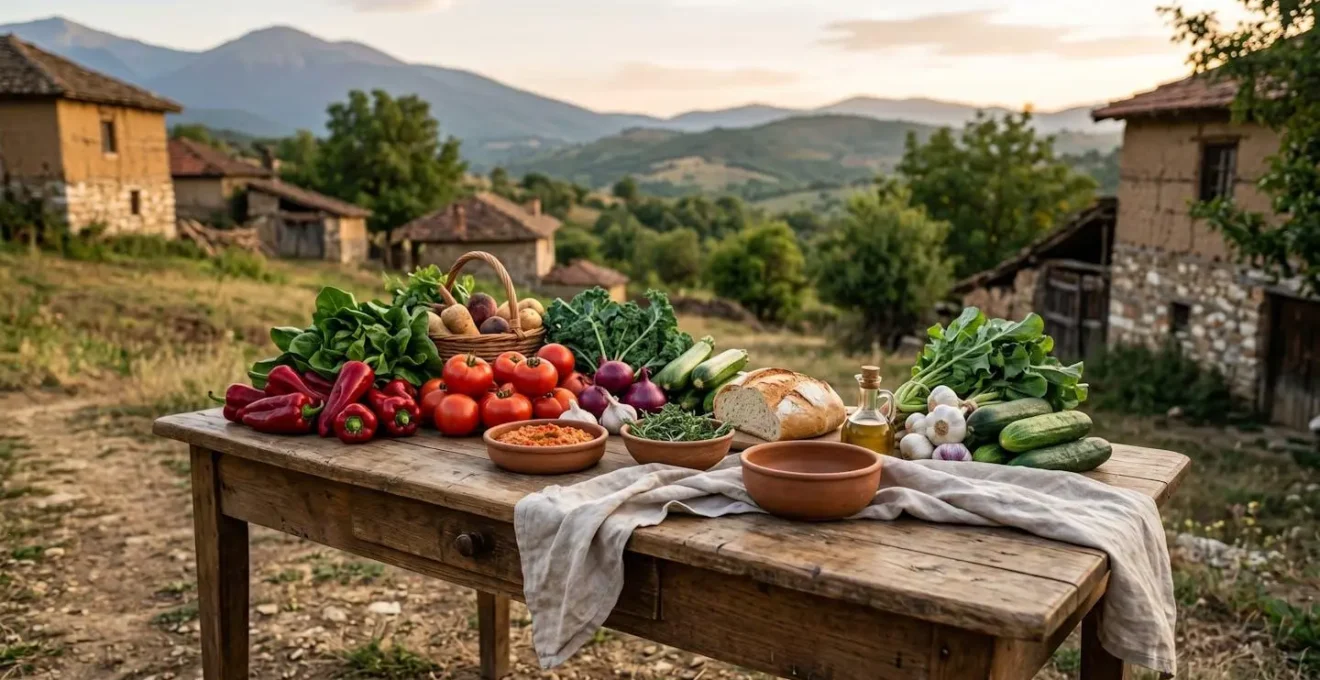
Finding real farm food in Macedonia isn’t about chasing “organic” labels, but about understanding the local culture of domašno (homemade).
- Authenticity is proven by a visible kitchen garden (bašta) and a menu that changes with the season, not by a certificate on the wall.
- A true farm experience is small-scale; they need advance notice because they are literally harvesting your meal just for you.
Recommendation: Book your meal directly with the family via WhatsApp or Facebook at least 24 hours in advance. A farm that can’t take a walk-in is often the most genuine one.
When you picture a trip to North Macedonia, you might imagine ancient monasteries, the stunning shores of Lake Ohrid, or the vibrant streets of Skopje. But many of you come seeking something more elemental: a taste of the land itself. You’re looking for that perfect, sun-ripened tomato, the cheese made by hand just hours before, the meal that tells a story. You’re looking for a genuine farm-to-table experience. From my perspective as a farmer who works this soil every day, I can tell you that finding it is both easier and more complex than you might think.
The common advice is to look for signs that say “organic” or restaurants that boast “local ingredients.” But here, that can be misleading. The real magic isn’t in a piece of paper or a marketing slogan; it’s in a concept we live by: domašno. It means homemade, from here, part of our family’s tradition. This is the true mark of quality. The secret to finding an authentic meal is not to look for a restaurant, but to find a family that is proud to share what their land has given them. This guide will teach you how to see the real signs, to understand our rhythm, and to find your way to a table where the food is as honest as the soil it came from.
This article is structured to guide you step-by-step, from decoding labels to understanding the best season to visit. Below is a summary of the topics we will cover to help you plan your authentic culinary journey in North Macedonia.
Summary: Your Guide to True Macedonian Farm Cuisine
- Is “Organic” Always Certified in Macedonia or Just a Marketing Term?
- Can You Help With Farm Chores Before Enjoying Your Meal?
- Ohrid Lakeside Farms vs Skopje Valley Farms: Which Offer Better Dining?
- The Reservation Mistake: Why Walk-Ins Often Miss the Best Farm Meals?
- Why Is Autumn Harvest Season the Best Time for Farm Dining?
- Ohrid Lakeside Farms vs Skopje Valley Farms: Which Offer Better Dining?
- How Fresh Is the Food When You Eat What the Farm Produces?
- How to Book an Agritourism Stay That Includes Farm Activities?
Is “Organic” Always Certified in Macedonia or Just a Marketing Term?
Let me be direct: if you’re only looking for an official “organic” certificate, you’re going to miss 99% of the best food in Macedonia. The term has become a powerful marketing tool worldwide, but here on the ground, the reality is different. Official data reveals that only a tiny fraction, about 0.35% of total agricultural area, is certified organic. While there are dedicated people working within this system—with about 1,050 registered organic producers managing their land—it doesn’t capture the full picture.
For generations, we’ve farmed without chemicals, not because a rulebook told us to, but because it was the right way to do it. This tradition is called domašno—homemade, homegrown, the way our grandparents did it. This is the word you should be looking for, the concept you should be seeking. It’s a philosophy of pride and self-sufficiency. A farmer with a thriving bašta (kitchen garden) who offers you a salad is giving you something more valuable than a certificate; they’re giving you their best.
So, how do you tell the difference? You have to learn to see with a farmer’s eyes. Look for the signs of a working farm, not a slick restaurant. A short, seasonal menu is a sign of honesty. A perfectly round, blemish-free tomato in April is a red flag. True authenticity is in the “imperfect” vegetable, the family-run operation, and the pride they take in showing you exactly where your food came from. This is far more meaningful than any label.
Can You Help With Farm Chores Before Enjoying Your Meal?
This is one of the best questions you can ask, as it shows you want more than just a meal—you want a connection. On a true agritourism farm, the answer is often a resounding “Yes!” Getting your hands dirty is the most direct way to understand the work, care, and time that goes into your food. It transforms you from a consumer into a participant. This isn’t about forced labor; it’s about a joyful exchange. It’s the chance to feel the soil, to smell the herbs as you pick them, and to connect with the food on a deeper level.
Imagine learning the subtle art of pressing fresh white cheese, or sirenje, with the family matriarch, her hands moving with a practiced grace passed down through generations. This tactile experience is something you’ll remember long after the meal is over.
The activities available are completely tied to the rhythm of the seasons. You won’t be harvesting peppers in the spring or picking wild greens in the fall. Each season offers its own unique chores and rewards:
- Spring (April-June): This is the time for new life. You can help pick wild herbs, nettles for pies, and assist with the care of young plants in the vineyard and orchard.
- Summer (June-August): The world is bursting with flavor. You could find yourself harvesting sun-ripened tomatoes, picking berries, or even helping with the traditional process of making hay for the winter.
- Autumn (September-October): The most iconic season. This is the time for the great ajvar pepper roasting, the grape harvest for wine and rakija, and collecting wild mushrooms from the forest.
- Late Autumn: You might assist with the quince harvest or witness the first distillation of the year’s rakija (fruit brandy), a cornerstone of Macedonian hospitality.
Ohrid Lakeside Farms vs Skopje Valley Farms: Which Offer Better Dining?
This is like asking a farmer to choose his favorite child. Both regions offer incredible, authentic experiences, but they have completely different personalities. The “better” choice depends entirely on the kind of experience you are looking for—the flavors you crave and the landscape that calls to you. It’s not about one being superior, but about matching your travel style to the terroir.
The Ohrid region, with its UNESCO World Heritage lake, offers a vibe that is rustic, secluded, and deeply connected to the water. The food is a fusion of Mediterranean and Balkan traditions. The Skopje Valley, particularly the Tikveš wine region, is the heartland of continental Macedonia. It’s more accessible, with a more developed wine tourism infrastructure, and the food is heartier, richer, and built around the vine.
To help you decide where to focus your search for that perfect farm meal, consider this breakdown of their distinct characters, as highlighted by a recent analysis of farm-to-table travel.
| Aspect | Ohrid Lakeside Farms | Skopje Valley Farms (Tikveš Region) |
|---|---|---|
| Signature Ingredients | Lake fish (trout from sustainable farms), figs, Mediterranean-influenced herbs, lakeside vegetables | Renowned red peppers (for ajvar), robust continental vegetables, wine grapes, ‘Tuscany without tourists’ terroir |
| Culinary Style | Mediterranean-Balkan fusion, lighter dishes, fish-centric preparations | Hearty continental fare, meat-based dishes, wine pairings, robust flavors |
| Experience Vibe | Rustic, secluded, family-integrated; more remote and intimate | More accessible, semi-professionalized ‘farm restaurants,’ organized wine tourism |
| Accessibility | Requires rental car, some locations accessible only through farm property; remote wild beaches | Easier access from Skopje (capital), better road infrastructure, organized tours available |
| Complementary Activities | Boat trips on Lake Ohrid, visits to Byzantine monasteries (St. Naum), beach leisure on wild shores | Winery visits, wine tasting at family vineyards, vineyard tours, rural village exploration |
| Best For | Travelers seeking seclusion, UNESCO heritage ambiance, lake-based experiences, Mediterranean palate | Wine enthusiasts, those preferring organized experiences, robust continental cuisine lovers, easier logistics |
The Reservation Mistake: Why Walk-Ins Often Miss the Best Farm Meals?
In a world of instant gratification, the idea of booking a simple meal 24 hours in advance can seem strange. But on a real Macedonian farm, this is not an inconvenience; it is the single most important sign of authenticity. If a farm can accommodate a busload of walk-in tourists at a moment’s notice, I can almost guarantee they are operating as a restaurant, not a farm. They have a stocked freezer and a long menu, the very things a true farm experience avoids.
When you make a reservation with a small family, you are setting a beautiful process in motion. The host isn’t just taking your order; they are planning your experience. They are walking out to their bašta to see which vegetables are at their peak. They are deciding which cheese is perfectly aged, which jar of preserves will pair best with the main dish. Your meal doesn’t exist until you call. They are literally harvesting and preparing it just for you. This is the essence of domašno. Walking in unannounced is like showing up to a family dinner at a stranger’s house—it’s simply not how it’s done.
The Spirit of Prespa Agritourism Model
Ana Labor, who manages Spirit of Prespa on her family’s five-hectare apple orchard, exemplifies this principle. Her model proves why advance booking is crucial. By managing visitor numbers, she ensures each guest gets personal attention, much like how she tends to each apple tree. This allows her and other small family farms to focus on extraordinary produce quality. The reservation requirement isn’t a barrier; it’s the foundation of the authentic, personalized experience that travelers are seeking, a model that helps farmers diversify their income while preserving their way of life.
Your Action Plan: How to Book a Genuine Farm Meal
- Use the Right Channels: Many family farms prefer WhatsApp, Viber, or Facebook Messenger over formal booking sites or email. It’s more personal.
- Give Advance Notice: A minimum of 24 hours is not just polite; it’s necessary. This gives your hosts time to literally harvest your meal from the garden.
- Communicate Your Needs: A simple phrase like “We are vegetarians” or “We would love to try your homemade cheese” allows for wonderful, personalized preparation.
- Search Smart: Use social media hashtags like #domasno, #agroturizam, or specific village names to discover hidden gems that aren’t on big travel sites.
- Be Specific: Let them know your arrival time and group size. A small family operation plans its entire day around its guests.
Why Is Autumn Harvest Season the Best Time for Farm Dining?
Every season in Macedonia has its own beauty and unique flavors, but if I had to choose one time for a food lover to visit, it would be autumn. From September to October, the entire country is enveloped in a fragrant, smoky haze and a spirit of communal celebration. This is the season of zimnica, the annual ritual of preparing winter preserves. It is the busiest and most delicious time of the year, and it is the absolute peak for farm dining.
The star of the autumn show is the red pepper, specifically for making ajvar. This is not just cooking; it is a cultural cornerstone. As one local guide beautifully put it, this tradition is about much more than the food itself.
Ajvar production is a slow process that harks back to days when food wasn’t mass produced. This annual event is not just about cooking red pepper paste; it’s a ritual that’s been handed down through the generations. It’s a joining together of families, friends and neighbours.
– Local guide interviewed by Responsible Travel, Responsible Travel – North Macedonia Food & Drink Guide
Visiting a farm during this time means you might see (and smell!) hundreds of kilos of red peppers roasting over open fires. You might be invited to help stir the giant pots or peel the roasted peppers. It’s a time of abundance, with tables groaning under the weight of fresh grapes, wild mushrooms, quince, and the first batches of rakija. It is the very soul of Macedonian generosity and culinary heritage on full display.
Ohrid Lakeside Farms vs Skopje Valley Farms: Which Offer Better Dining?
Beyond the menu and the general vibe, your choice between the Ohrid and Skopje regions should also be guided by logistics and the type of activities you want to weave into your trip. The “better” dining experience is the one that fits seamlessly into your travel plans and passions. Both regions are rich with opportunities, but they require different approaches to planning.
Accessibility is a major differentiator. The Tikveš wine region, as part of the broader Skopje valley area, is relatively easy to navigate. It’s well-connected by good roads from the capital, and the rise of wine tourism means there are more organized tours and marked routes. This makes it a great option if you have limited time or prefer not to venture too far off the beaten path. In contrast, reaching the most authentic lakeside farms around Ohrid often demands a bit more adventure. You will likely need a rental car, a willingness to navigate smaller country roads, and an appreciation for the seclusion that comes with it. Some of the best spots are hidden away, their locations shared by word of mouth.
Your choice also depends on what you want to do when you’re not eating. In the Skopje Valley, the entire experience can revolve around viticulture. You can spend your days touring family vineyards, participating in wine tastings, and exploring charming rural villages. The farm meal becomes the perfect culmination of a day spent among the vines. Around Ohrid, the lake is your playground. A farm stay can be combined with boat trips to the iconic St. Naum monastery, relaxing on wild, secluded beaches, and exploring the ancient city of Ohrid itself. The meal is a rustic, peaceful reward after a day of natural and cultural exploration.
Key takeaways
- The most authentic food is found by seeking domašno (homemade), not just an “organic” label. Look for a family’s pride, not a certificate.
- Advance reservations are a sign of a genuine farm, not an inconvenience. It means they are preparing the meal specifically for you from what is fresh that day.
- Embrace the seasons. The best farm dining experiences have short, ever-changing menus dictated by the harvest, with autumn’s ajvar season being the ultimate example.
How Fresh Is the Food When You Eat What the Farm Produces?
The concept of “fresh” is completely redefined when you eat on a Macedonian farm. In a supermarket, “fresh” might mean produce that was picked last week, hundreds of miles away. Here, “fresh” means the vegetables for your salad were likely picked from the bašta less than an hour ago, often during a tour where you helped choose them yourself. The eggs for your breakfast come from chickens you can see wandering around the property. The food has a vitality you can taste.
This is what my colleague Ana Labor means when she talks about the produce. It’s a difference you can see, smell, and taste. As she once beautifully described it to a journalist from CNN Travel while discussing North Macedonian tourism:
The average Macedonian diner chows down on produce that would look extraterrestrial in an American supermarket — three-foot long leeks, softball-sized tomatoes, and red peppers you can smell from around the corner.
– Ana Labor, Spirit of Prespa agritourism manager, CNN Travel feature on North Macedonia tourism
This isn’t an exaggeration. The produce has character. It hasn’t been bred for uniformity or long-distance shipping; it has been bred for flavor. The “zero-kilometer” philosophy isn’t a trend here; it’s simply the way things are done. Everything possible comes directly from the farm itself:
- Vegetables & Fruits: Picked at the peak of ripeness from the garden and orchard.
- Dairy: Homemade sirenje (white cheese) and fresh yogurt from the farm’s own sheep, goats, or cows.
- Meats & Eggs: Cured meats aged in the traditional way and eggs collected daily from free-range chickens.
- Drinks: Estate-produced wine from the family vineyard and rakija distilled from their own fruit.
- Honey: Harvested from beehives right on the property.
How to Book an Agritourism Stay That Includes Farm Activities?
You’ve learned to spot authenticity, you understand the rhythm of the seasons, and you know what to expect from different regions. Now, it’s time to put it all together and book not just a meal, but a stay. Finding an agritourism experience that truly integrates you into the farm life is the ultimate goal. This means looking beyond places that just offer a bed and breakfast, and finding those that advertise the experience itself.
Start your search with the right mindset. You are looking for a host, not a hotelier. When you contact them, express your interest in their work. Instead of asking “Do you have a room available?”, try “We are very interested in learning about traditional cheesemaking. Is this something guests can participate in at your farm?” This shows respect and genuine interest, and it will open doors that a simple booking request will not. Use the social media hashtags like #agroturizam and #macedonianvillage to find families who are proud to showcase their daily life.
Look for farms that are explicit about the activities they offer. Do their photos show guests in the garden? Do they mention the ajvar-making process in the autumn? These are the clues. A good host is a teacher, and they will be excited to share their knowledge with you. Be clear about your expectations and be open to the rhythm of the farm. Sometimes the best activity is simply sitting with the family, sharing a glass of rakija, and listening to their stories. That is an experience you can’t book on any website, but one that you can earn with a curious and open heart.
Now, equipped with this knowledge, you are ready. Go beyond being a simple tourist. Start your search, make that call, and prepare to be welcomed not as a customer, but as a guest at the family table. Your most memorable meal in Macedonia is waiting for you.