In summary:
- A car-free tour is an opportunity for deeper immersion, not a limitation.
- Combine organised tours from Skopje with pre-arranged local taxis for maximum flexibility.
- Directly contact wineries or ask your hotel to connect you with trusted local drivers.
- Choose between large-scale producers like Stobi for a comprehensive overview and boutique wineries for personal interaction.
- Pace your tastings by limiting visits to 2-4 wineries per day and focusing on the Vranec grape.
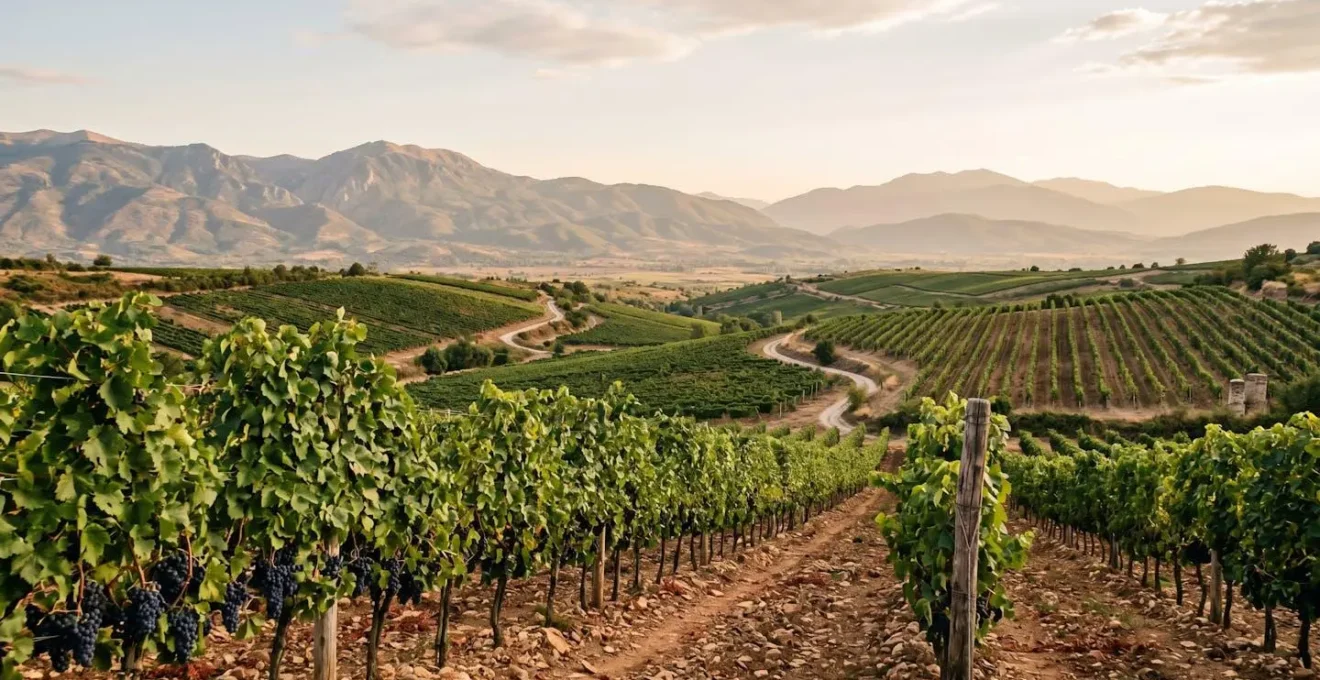
The dream is simple: to stand among the sun-drenched vines of the Tikveš, the legendary Balkan wine region, a glass of deep, ruby Vranec in hand. You can almost feel the warm breeze and taste the history. But then, reality hits. You’re an oenophile visiting from the UK, and navigating North Macedonia without a car or an international driving permit seems like an insurmountable logistical hurdle. The thought of coordinating transport between scattered wineries is daunting enough to make you reconsider the entire trip.
Most advice you’ll find is generic. “Book a tour from Skopje,” they say, or the unhelpful, “just hire a taxi.” While these are options, they barely scratch the surface and can leave you feeling like a passive tourist rather than an explorer. They miss the essential point that I, as a sommelier who has walked these vineyards for years, want to share with you. What if I told you that not having a car is actually a blessing in disguise? It forces you to slow down, to engage with the local hospitality network, and to create a more deliberate, palate-first journey. It transforms a simple tasting tour into a true terroir immersion.
This guide provides the logistical choreography for that superior experience. We will move beyond the obvious and craft a strategic plan that puts the wine, not the transport, at the centre of your adventure. We’ll explore how to connect with the right people, choose the right experiences for your taste, and truly understand the soul of this incredible wine country, all without ever getting behind the wheel.
To help you navigate this rich topic, this guide is structured to answer your most pressing questions. From understanding the unique climate to mastering the art of car-free logistics, here is a complete overview of what we will explore together.
Summary: Your Complete Guide to a Car-Free Tikveš Wine Adventure
- Why Does the Tikveš Microclimate Produce Such Full-Bodied Reds?
- Which Wineries Offer Shuttle Services for Tourists Without Cars?
- Stobi Winery vs Boutique Producers: Which Tasting Experience Is Better?
- The Tasting Mistake: How to Pace Yourself When Visiting 4 Wineries?
- How Much Wine Can You Legally Bring Back to the UK from Macedonia?
- Why Does the Tikveš Microclimate Produce Such Full-Bodied Reds?
- Dairy Farms vs Vineyards: Which Agritourism Experience Suits Couples Best?
- Why Is Vranec the Red Wine You Must Try in North Macedonia?
Why Does the Tikveš Microclimate Produce Such Full-Bodied Reds?
To understand the power in a glass of Tikveš red, you must first understand the land. This isn’t just about grapes; it’s a story of sun, soil, and shelter. As the official winery explains, the magic of this region lies in its unique protection. The Tikveš Winery notes a key geographical advantage:
The Tikveš region is ‘protected’ on three sides by mountains which prevent the northern winds from reaching the vineyards.
– Tikveš Winery, Tikveš Wine Region Geographic Overview
This natural shield creates a cradle of warmth, allowing for a long, uninterrupted growing season. The climate data tells the rest of the story. The region benefits from a mean annual temperature of 13.3°C, with summer temperatures often soaring past 40°C. This intense heat, combined with a relatively dry vegetation period, forces the vines to work harder. They dig their roots deep into the alluvial and sandy soils, searching for water and nutrients. This struggle is precisely what creates greatness.
The result of this climatic pressure is grapes with incredible concentration. The sun-drenched days allow for perfect phenolic ripeness, developing deep colour, complex aromas, and robust tannins. The cool nights, a gift from the surrounding mountains, help the grapes retain their natural acidity, providing balance and structure to the final wine. It’s this perfect dance between intense heat and nocturnal relief that gives our red wines their signature full-bodied, yet elegant, character.
As you can see in the deep, almost black skin of a mature Vranec grape, the waxy bloom protects it from the intense sun while the berry inside concentrates its sugars and flavours. This is not just a grape; it is a capsule of the Tikveš microclimate, ready to tell its story in your glass.
Which Wineries Offer Shuttle Services for Tourists Without Cars?
This is the central logistical puzzle for any car-free visitor. While the term “shuttle service” might suggest scheduled buses, the reality in Tikveš is a more flexible and personal “hospitality network.” You won’t find a timetable, but you will find a wealth of options if you know where to look. The solution lies in a combination of organised tours and leveraging local contacts.
For visitors based in the capital, the most straightforward solution is an organised private tour. These all-inclusive packages handle the entire logistical choreography. For instance, many travellers report great success with operators found on platforms like Viator. An organised trip from Skopje typically includes a comfortable 1.5-hour drive in an air-conditioned vehicle, a guided visit to a major winery like Tikveš, a full tasting, and often a multi-course lunch, effectively solving the entire day’s plan in one booking.
However, for those staying closer to the wine region or seeking more independence, a more hands-on approach is required. Here is a concrete plan to arrange your movements and build your own perfect, car-free itinerary.
Your Action Plan for a Car-Free Tikveš Tour
- Book Pre-Organised Tours: Start by exploring platforms like Viator, GetYourGuide, or WineTourism.com. They offer structured day trips from Skopje with prices starting from around €49 per person, which is an excellent benchmark.
- Contact Wineries Directly: Major players like Tikveš, Stobi, and Popova Kula are accustomed to international visitors. Use the contact forms on their websites to inquire about their ability to arrange a taxi for you from the nearby town of Kavadarci.
- Leverage Your Host: Your guesthouse or hotel host is your most valuable local asset. Ask them to connect you with a trusted local driver. Many have established relationships and can help you negotiate a fair day rate for a multi-winery tour.
- Use Social Media: Join local travel-focused Facebook groups for North Macedonia. You can post your dates and desired itinerary to find other travellers interested in sharing the cost of a private taxi for the day.
- Utilise On-Site Services: If you’re visiting Stobi Winery, don’t hesitate to ask the reception to call a taxi for you to get to your next destination. Travellers have successfully arranged transport from Stobi to other wineries, like Tikveš (approx. 15km away), using this method.
Stobi Winery vs Boutique Producers: Which Tasting Experience Is Better?
The question isn’t which is “better,” but which philosophy of winemaking you wish to experience. Your choice between a large, modern producer like Stobi and a smaller, family-run boutique estate will define your day. It’s a decision between a comprehensive, museum-quality education and an intimate, personal story.
Stobi represents the modern face of Macedonian wine. As the country’s largest modern producer, its scale is breathtaking. The experience is polished, professional, and deeply impressive. As one travel blog, Macedonia For 91 Days, noted after a visit:
Stobi’s facilities were more high-tech, and its architecture has a modern flair which really stands out. The storage hall is a thing of beauty, with grand columns that call to mind Istanbul’s Sunken Cistern.
– Macedonia For 91 Days Travel Blog, The Wines of Stobi – Winery Review
A tasting at Stobi is a lesson in state-of-the-art winemaking, often guided by a professional sommelier. It’s perfect for first-time visitors who want a grand overview and for history buffs who can pair the visit with the adjacent Roman archaeological site of Stobi. On the other hand, visiting a boutique producer like Popova Kula, Bovin, or Lazar offers a different kind of magic. Here, the architecture is more likely to be a rustic château, and the tour is often led by the winemaker or owner themselves. The likelihood of a personal interaction is high, and you’ll often taste cellar-door exclusives that you can’t find anywhere else. This is the choice for returning visitors, collectors, and those who cherish the stories behind the bottle.
This choice is best summarized by a comparative look at their key differences, which highlights the trade-offs between scale and intimacy.
| Factor | Stobi Winery (Large Producer) | Boutique Producers (Popova Kula, Bovin, Lazar) |
|---|---|---|
| Founded | 2009 | Various (family estates) |
| Production Scale | Country’s largest modern producer, 500 hectares | Small estates, 3-50 hectares |
| Architecture | Ultra-modern Le Corbusier-inspired building | Rustic châteaux, traditional cellars |
| Technology | State-of-the-art facilities, temperature-controlled | Mix of traditional and modern techniques |
| Tasting Experience | Professional sommelier-guided, museum-quality presentation | Personal interaction with winemakers/owners |
| Wine Exclusivity | Widely distributed internationally | Cellar-door exclusives, limited production varietals |
| Additional Attractions | Adjacent Roman archaeological site of Stobi | Boutique accommodations, intimate vineyard walks |
| Typical Tasting Cost | €15-30 per person | €10-25 per person |
| Meeting Winemaker | Unlikely (large operation) | High likelihood at family estates |
| Best For | First-time visitors, history enthusiasts, comprehensive overview | Returning visitors, wine collectors, personal stories |
The Tasting Mistake: How to Pace Yourself When Visiting 4 Wineries?
The greatest mistake a wine lover can make in Tikveš is to let enthusiasm overwhelm the palate. With so many world-class wines to sample, it’s easy to overindulge early on, leading to palate fatigue that dulls your ability to appreciate the complex reds waiting at your final stop. Crafting a “palate-first itinerary” is not about limitation; it’s about preservation. As the experts at WineCountry.com wisely advise, “Pacing yourself is a critical aspect of tasting. Build moderation into your day by selecting a manageable two to four wineries to visit.”
The goal is to end the day with your senses as sharp as when you started. A standard tasting pour is around 2-3 ounces (60-90ml). If you visit four wineries and have four tastings at each, finishing every drop is equivalent to drinking nearly three full glasses of wine. To avoid this, you must adopt the professional’s method. Here is the sommelier’s strategy for a full day of tasting without losing your edge:
- The 4-Winery Maximum: Plan for two to four wineries in a single day. Any more is a rush and will exhaust your palate. Quality over quantity is the golden rule.
- The Spit-Sip-Savor Method: You don’t have to finish every glass. Politely spit wines you are neutral about, take small sips of those you enjoy, and only fully savor one or two absolute favourites per winery. This is not rude; it is the mark of a serious taster.
- Schedule by Weight: Plan your day to start with lighter wines. If possible, visit wineries known for their whites (like Žilavka or Smederevka) or rosés in the morning when your palate is freshest. Reserve the powerful, tannic Vranec reds for the afternoon.
- Hydration is Key: Drink one full glass of water not just between tastings, but before moving to the next winery. This cleanses your palate and combats dehydration from alcohol.
- Incorporate Breaks: A successful tour is not just a series of tastings. Break up the wine consumption with non-drinking activities like a vineyard walk or a proper lunch with food pairings.
- Request Palate Cleansers: Don’t be shy to ask for simple palate cleansers between heavy reds. A piece of plain cracker, local sirene cheese, or an olive can reset your taste buds.
How Much Wine Can You Legally Bring Back to the UK from Macedonia?
After discovering the exceptional quality and value of Macedonian wine, the next logical question is: how much of this liquid treasure can I bring home? For travellers returning to the UK, the rules are quite generous and allow you to stock your cellar. According to official UK government guidelines, you can bring in up to 18 litres of still wine without having to pay any tax or duty. This is equivalent to 24 standard 750ml bottles, a significant haul for any wine enthusiast.
It’s important to remember that this allowance is per person. So, if you are travelling as a couple, you can bring back a combined 48 bottles. However, the challenge then becomes not the legal limit, but the practical matter of getting your wine home safely in your checked luggage. Since liquids over 100ml are not permitted in cabin baggage, careful packing is essential. Here is a survival guide for ensuring your bottles arrive in one piece:
- Wrap Individually: Use your clothing as cushioning. Wrap each bottle securely in a t-shirt, sweater, or a pair of socks to create a protective layer.
- Invest in Protection: For ultimate peace of mind, purchase specialised “wine skins” or inflatable bottle protectors. These are designed specifically for this purpose and offer excellent security.
- Position in the Centre: Place your wrapped bottles in the very centre of your suitcase. Surround them on all sides with soft items like clothes to create a buffer against impact.
- Choose Hard-Shell Luggage: If you have the option, a hard-shell suitcase provides a much more rigid and protective structure than a soft-sided bag.
- Check Airline Rules: While alcohol is generally permitted in checked baggage, always double-check your airline’s specific policy on weight and quantity limits before you fly.
- Keep Receipts Handy: Have digital or physical copies of your wine purchase receipts easily accessible. You may need to show them to customs officers upon arrival in the UK to declare your goods.
Why Does the Tikveš Microclimate Produce Such Full-Bodied Reds?
We’ve discussed the science of the climate—the sun, the shelter, the soil. But how does this translate into the sensation of “full-bodied” in your glass? The answer lies in two key components that the Tikveš microclimate generously provides: sugar and tannins. The long, hot, and dry summers act as a natural concentrator for the grapes.
As the sun beats down day after day, the water content within each grape slowly diminishes while the sugar levels rise dramatically. This high sugar content is the fuel for fermentation. When yeast converts this abundant sugar into alcohol, the result is a wine with a naturally high alcohol level (often 14% or more). This alcohol contributes significantly to the wine’s viscosity and weight on the palate—the primary sensation we perceive as “full-bodied.” It gives the wine a rich, mouth-filling texture.
Simultaneously, that same intense sun is doing crucial work on the grape skins, seeds, and stems. This is where tannins are developed. The long growing season allows for perfect “phenolic ripeness,” meaning the tannins become mature, smooth, and well-integrated rather than harsh and green. These ripe tannins provide structure and a pleasant, velvety grip in the mouth, adding another layer to the wine’s body. The combination of high alcohol from concentrated sugars and a robust structure from ripe tannins is the definitive signature of a full-bodied Tikveš red.
Key takeaways
- Viewing a car-free tour as an advantage allows for a more authentic and immersive cultural experience.
- A successful logistics plan combines pre-booked tours with the use of the local hospitality network (hotels, drivers) for flexibility.
- Pacing is a professional technique, not a limitation; use the spit-sip-savour method to preserve your palate.
Dairy Farms vs Vineyards: Which Agritourism Experience Suits Couples Best?
For couples seeking an authentic taste of Macedonian country life, the choice between a day among the vines and a visit to a traditional dairy farm can seem like a fork in the road. One offers the sophisticated pleasure of wine tasting, while the other promises the rustic charm of artisan cheese-making. But in Tikveš, you don’t have to choose. The region’s agritourism is an integrated tapestry where wine and food are inseparable partners.
The most rewarding experience for a couple is one that blends both elements, transforming a simple tasting into a complete culinary journey. Many boutique wineries and wine hotels have embraced this philosophy, offering packages that celebrate the synergy between their wines and local produce. This approach solves the “either/or” dilemma by creating a holistic experience.
Case Study: The Integrated Agritourism Experience at Popova Kula
A perfect illustration of this is the experience offered at places like the Popova Kula Wine Hotel. Instead of arranging separate trips, couples can stay directly at the vineyard. One travel writer from English Wine Blog chronicled their stay, noting that a two-night package for a couple cost just £160 and included accommodation, multiple wine tastings, and three-course dinners featuring traditional Macedonian dishes. This demonstrates how you can seamlessly combine world-class wine tourism with authentic food culture, all under one roof, eliminating the need for complex travel arrangements between different types of farms.
This fusion of vineyard and farm is the heart of Macedonian hospitality. It’s a chance to taste a crisp white wine alongside a freshly made sirene cheese, or a robust Vranec paired with a slow-cooked meat dish. The experience is not about two separate activities, but about discovering how they elevate one another.
As this rustic pairing of local cheese, olives, and wine shows, the best agritourism experience is not a choice between the dairy and the vineyard, but a celebration of their union. It is in these moments, sharing a plate of local delicacies with a perfectly matched wine, that a couple can truly connect with the soul of the region.
Why Is Vranec the Red Wine You Must Try in North Macedonia?
If the Tikveš region has a soul, it flows in the deep, dark currents of Vranec. While you will find many excellent wines here, to visit this land and not taste Vranec is to have missed the point entirely. It is more than a grape; it is a cultural emblem, the undisputed king of Balkan reds. As the Firstleaf Wine Guide succinctly puts it:
Vranec: North Macedonia’s star grape, producing deep ruby-black reds with flavors of blackberry, black cherry, and spice. Styles range from fresh and fruity to bold, oak-aged wines with firm tannins and aging potential.
– Firstleaf Wine Guide, Tikves Wine Region Profile
Its importance is not just a matter of opinion; it’s a statistical fact. In this region, Vranec is dominant, with Vranec grapes accounting for more than 40% of the total wine production. It is the grape that is perfectly adapted to the fierce sun and rich soils, and it is the benchmark against which all other reds are measured. To truly understand it, you must approach it with intention. Don’t just drink it; explore its many faces.
To get the most from your tasting, here is how you can truly appreciate the versatility and power of Vranec:
- Request a ‘Tasting Ladder’: Ask your host for a vertical tasting. Start with a young, unoaked Vranec to taste its pure, vibrant blackberry and cherry character. Then, progress to an older, barrique-aged version to discover complex notes of leather, chocolate, and spice.
- Compare it with its Parent: Ask to taste Vranec alongside Kratošija (a relative of Zinfandel/Primitivo). This will help you understand the family lineage and appreciate Vranec’s unique, bolder expression.
- Pair it with Local Cuisine: Vranec was born to be paired with Macedonian food. Try it with Tavče Gravče (traditional baked beans), where its acidity cuts through the dish’s richness. Or match its powerful tannins with a savoury Selsko Meso (pork and mushroom stew).
- Explore the Terroir: If possible, sample Vranec wines grown on the valley floor versus those from higher-altitude vineyards. You will be amazed at how the same grape can express itself so differently based on where it grew.
Your journey into the heart of Balkan wine awaits. You have the knowledge to navigate the logistics, the strategy to pace your palate, and the context to appreciate the wine in your glass. The only thing left is to book your ticket, arrange your first tasting, and prepare for the power of Vranec. The hospitality of Tikveš will handle the rest.